Back to news
From a pioneering school to the campus of the future: ARTFX takes another step forward in Montpellier
Date of the event :
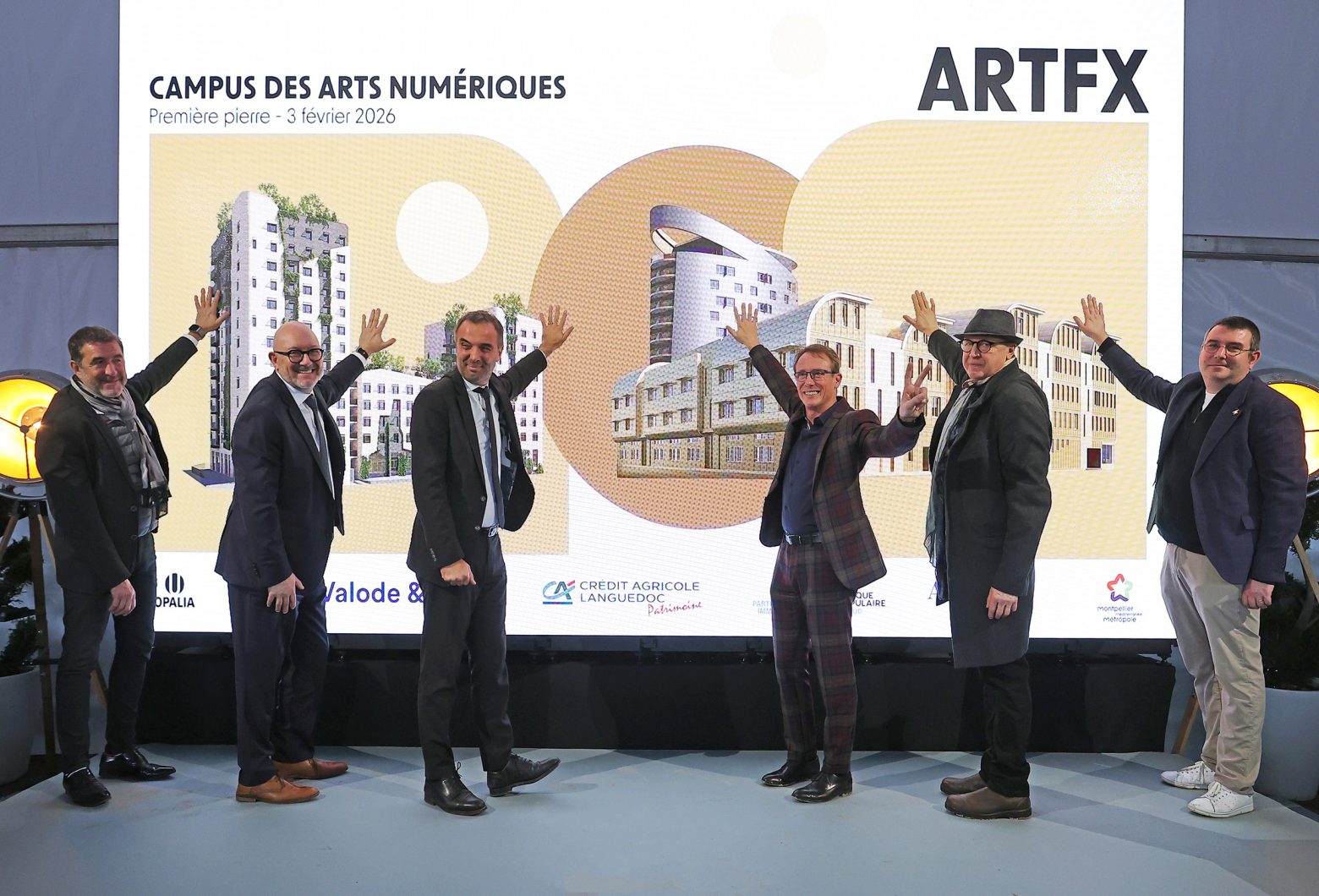
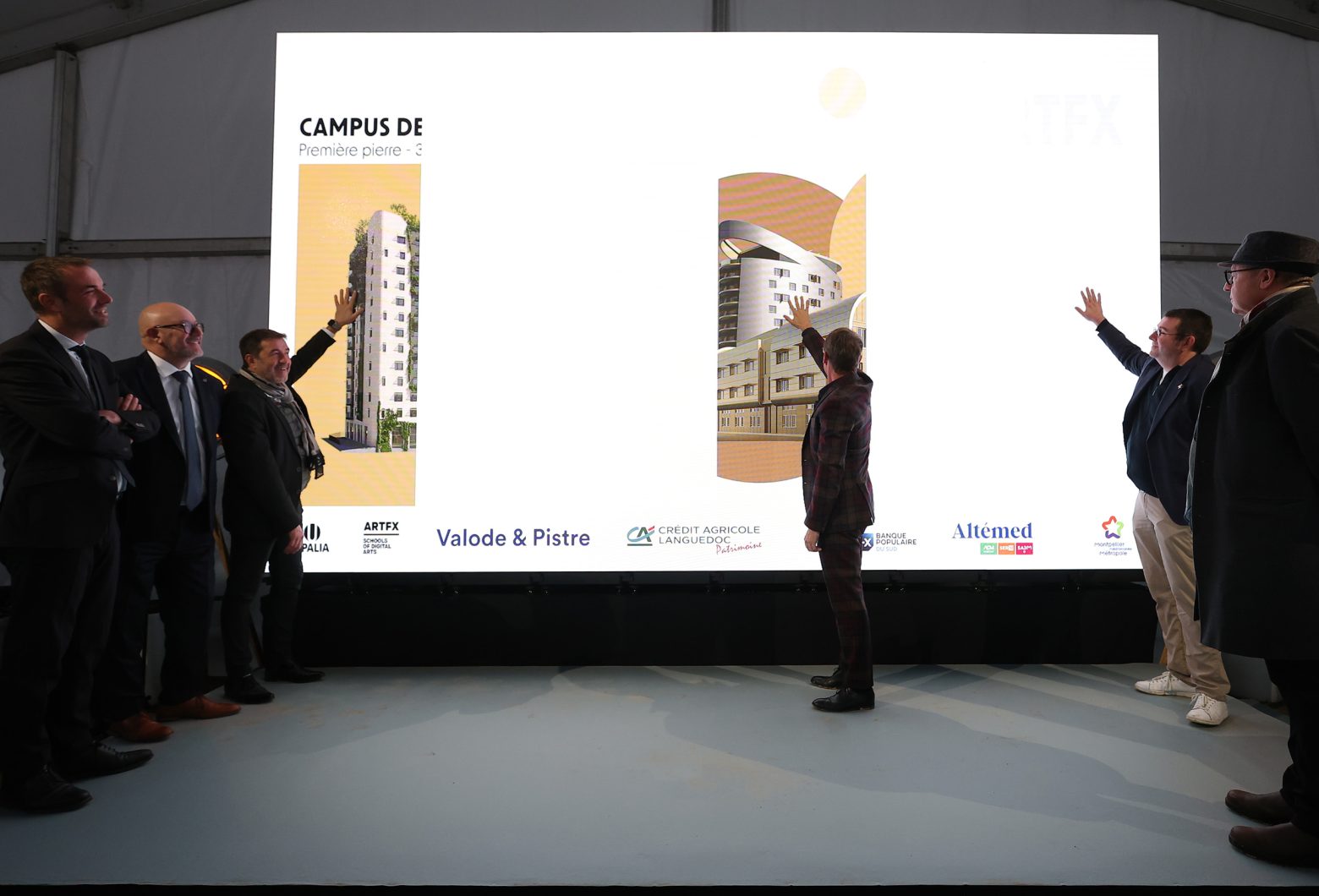
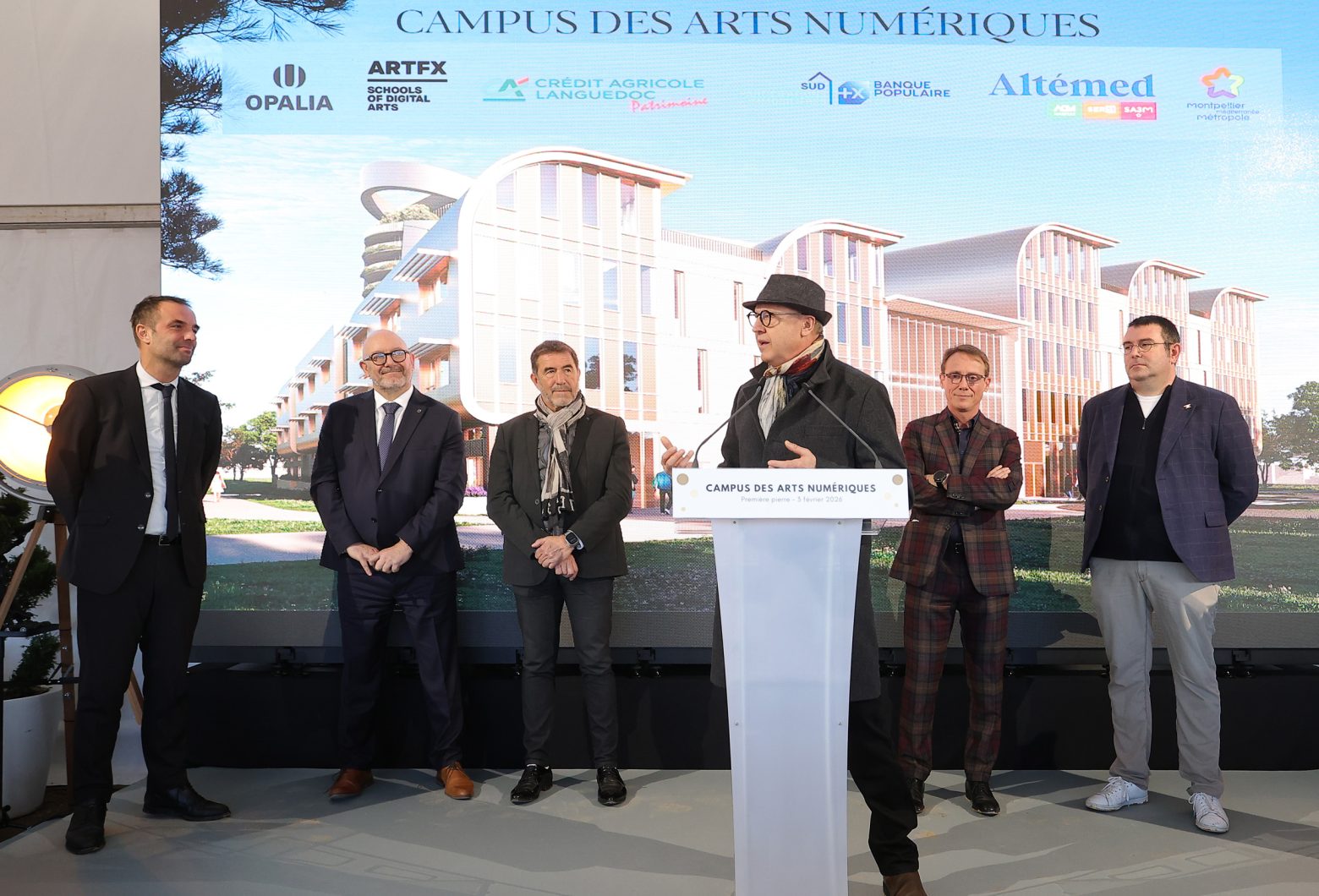
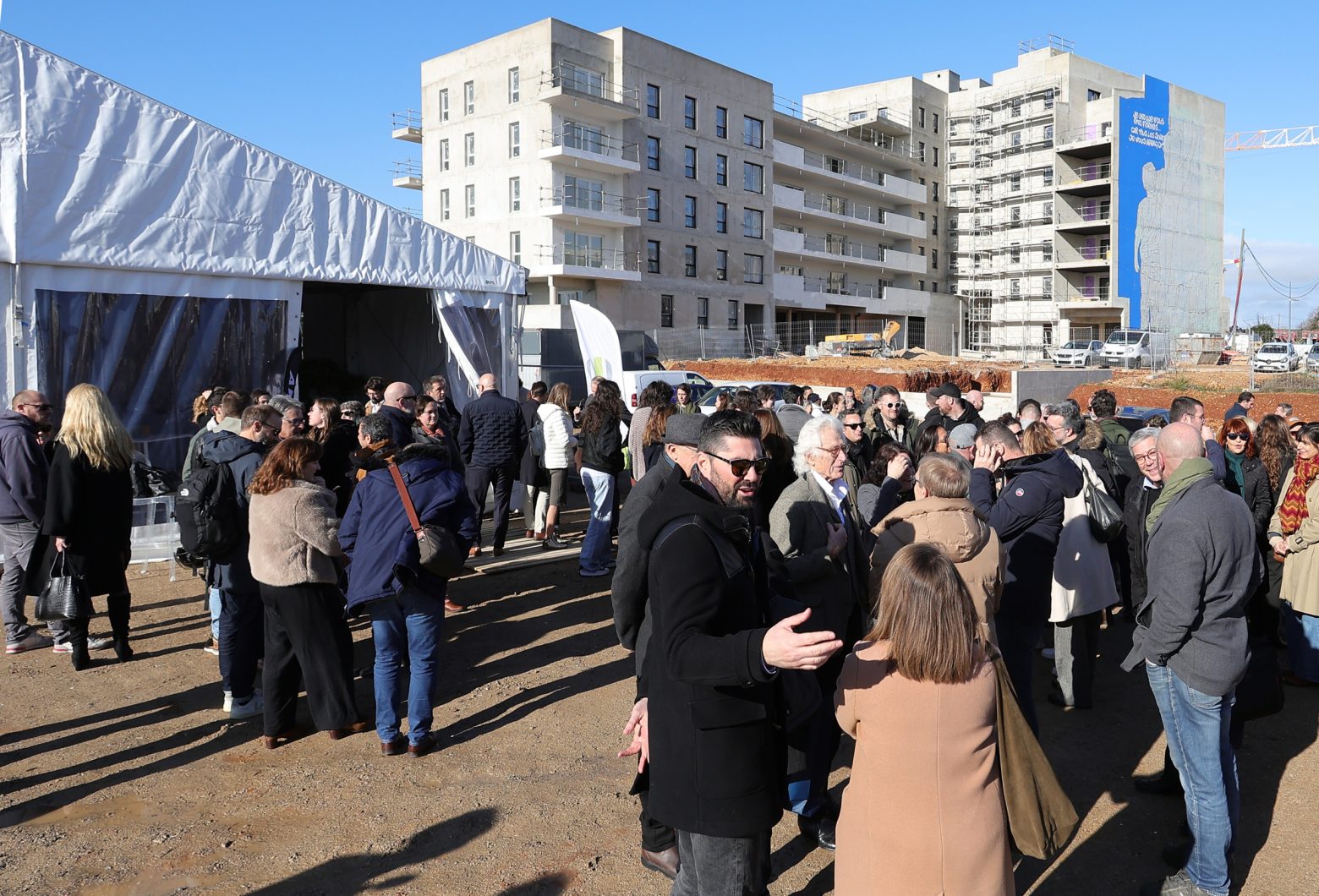
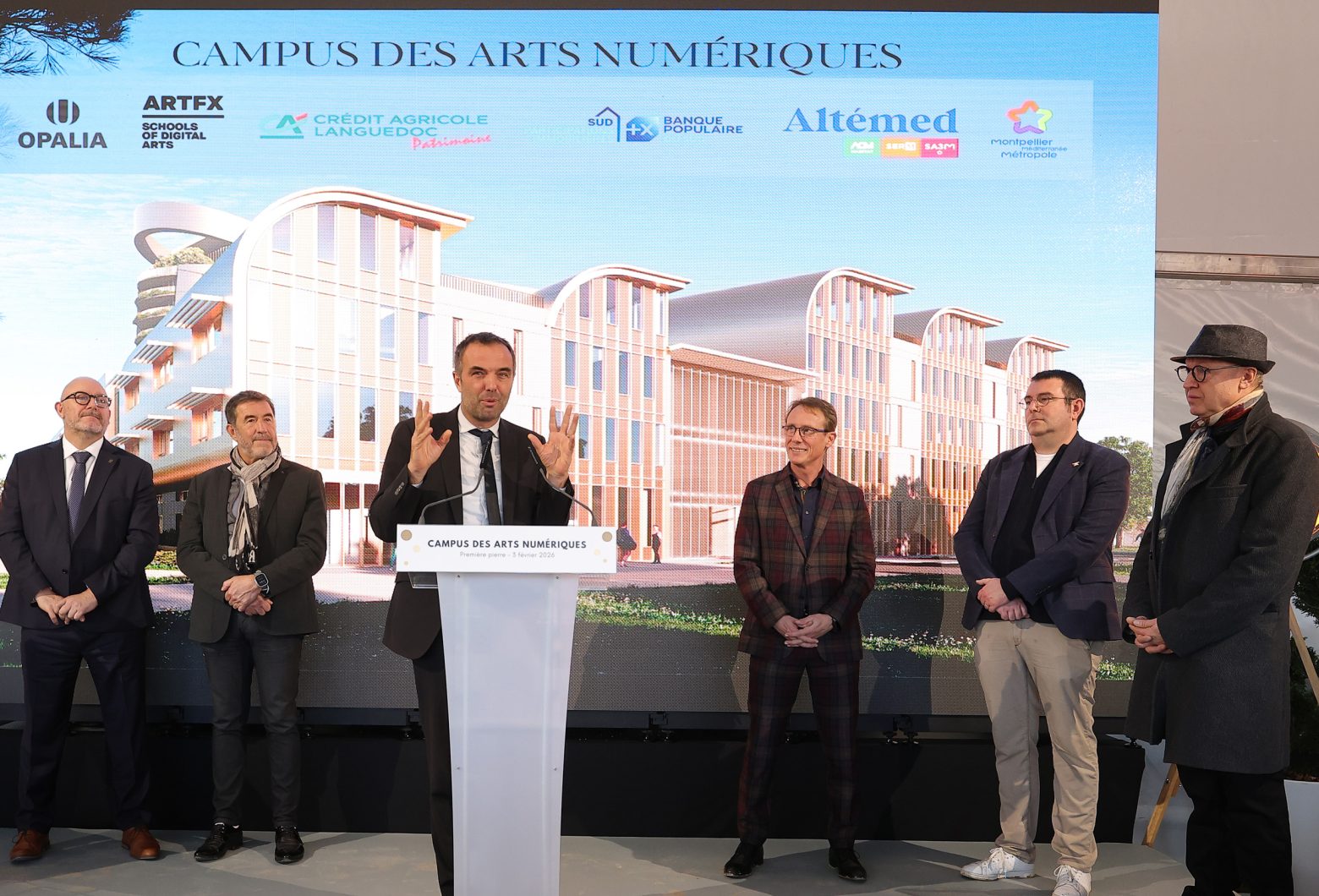
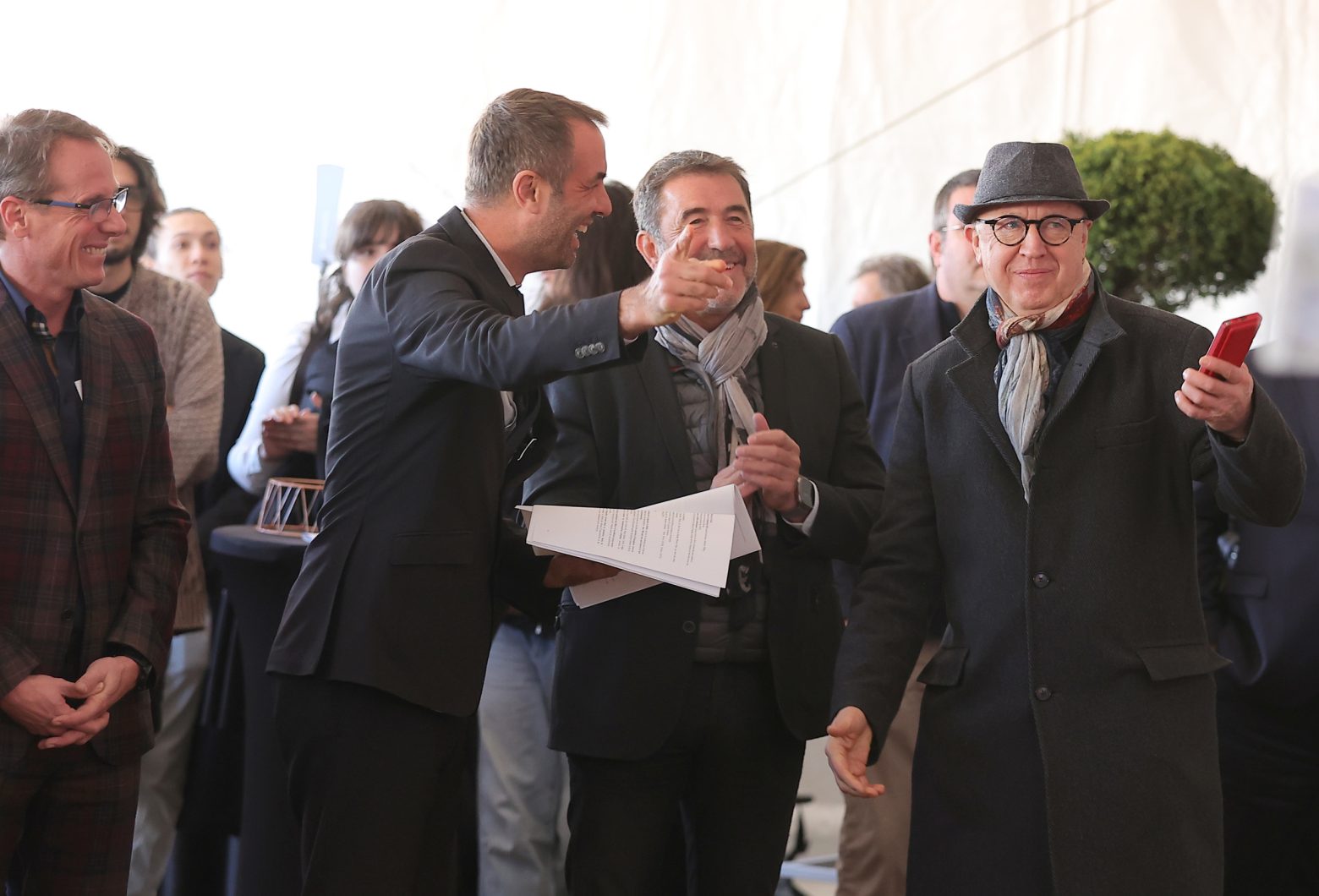
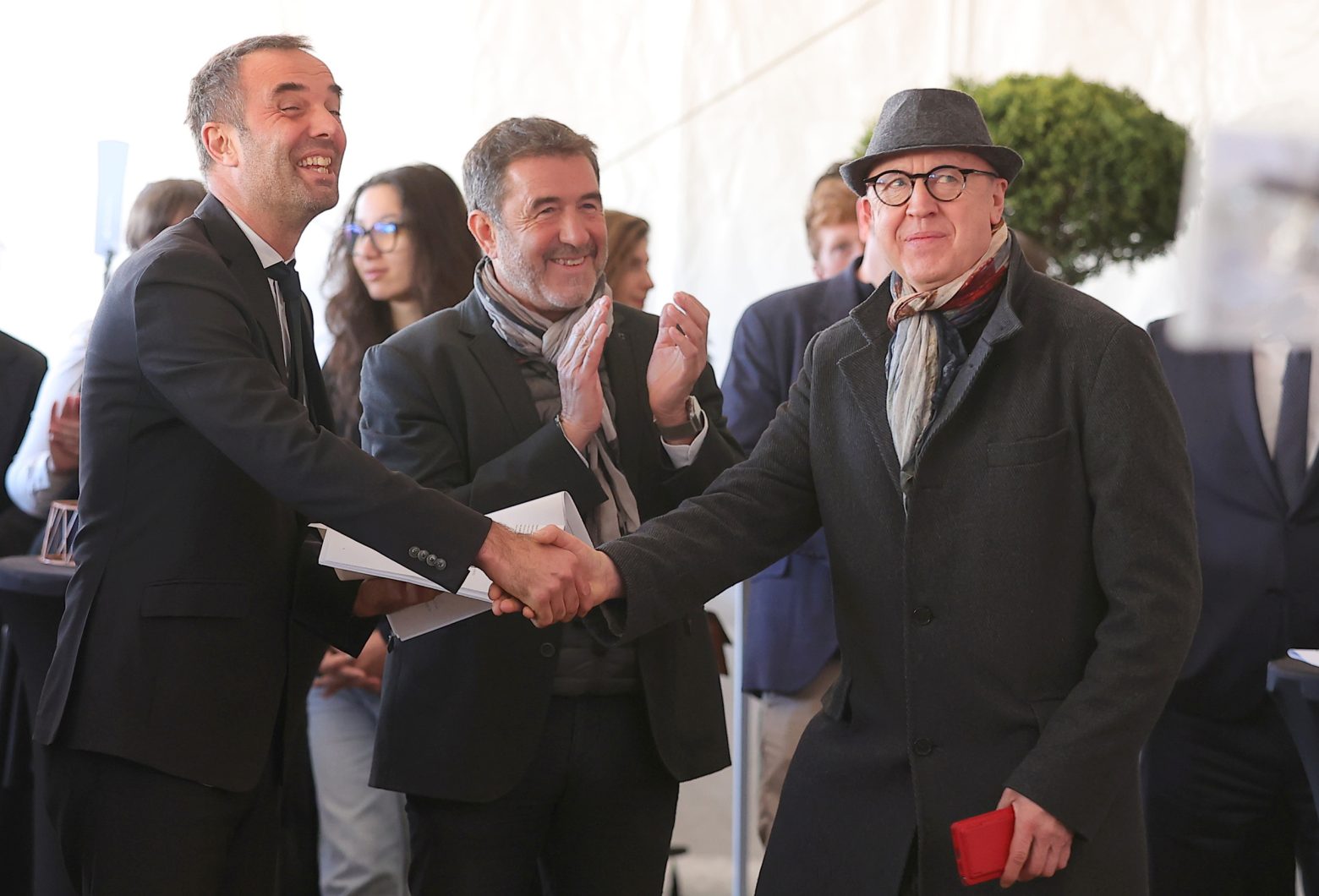
On February 3, 2026, in Montpellier, the laying of the cornerstone for ARTFX’s future Digital Arts Campus marks not only the start of a construction project but also a transformation. It is the transformation of a pioneering school that, after more than twenty years of training talent in the visual arts, is now moving toward a next-generation campus at the intersection of artistic creation, emerging technologies, and new ways of learning.
A campus rooted in a changing urban landscape
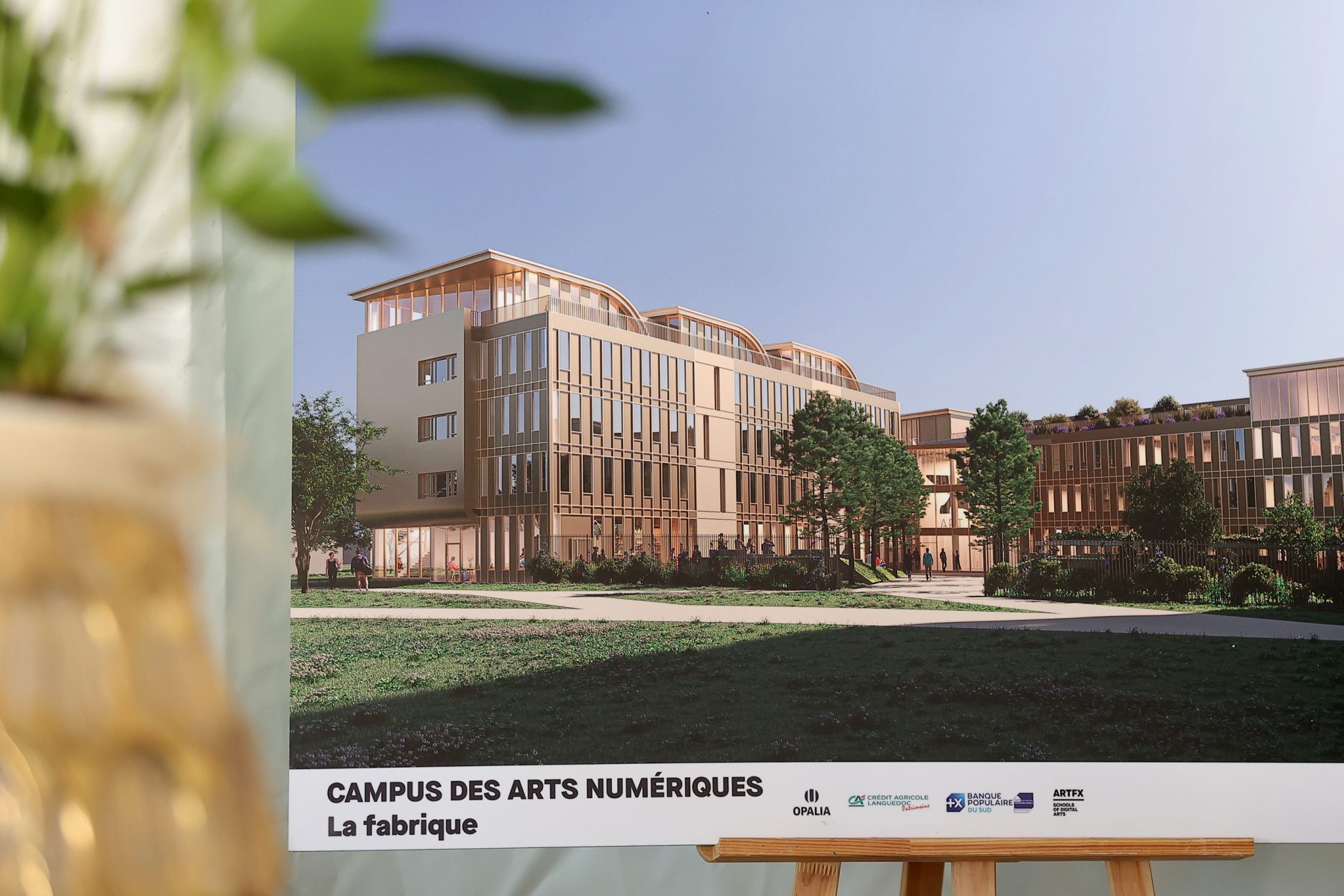
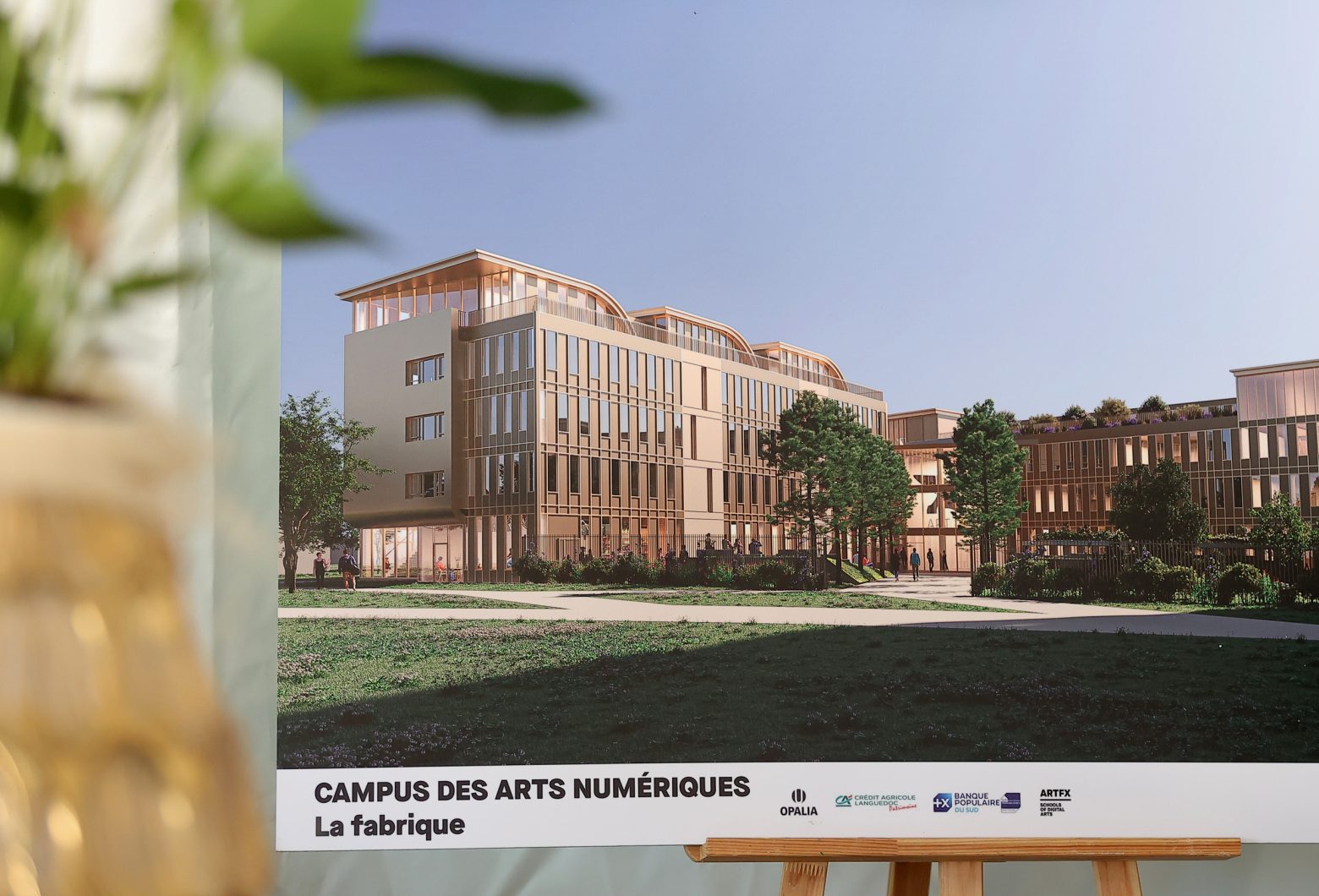
Located along Avenue Nina Simone, at the heart of the Mas de Marlet and République sectors in the Parc Marianne district, the Campus des Arts Numériques is an integral part of Montpellier’s urban development. Set between the Lez river and Odysseum, the project is far more than a new building for ARTFX: it reflects a strong commitment to the region and helps establish Montpellier as an international capital of visual and digital creation.
A strong legacy, looking to the future
Founded in 2004, ARTFX was built on the vision of its founding president Gilbert Kiner and of Martine Charviez, who have ensured from the outset the transmission of expertise recognised by the world’s leading studios (Framestore, ILM, Weta, Illumination, The Yard, Illogic, Ubisoft, Sandfall Interactive and more). Today, that story continues under the leadership of Simon Vanesse, Chairman and ARTFX President, who is shaping the school’s development around three pillars: academic expertise, close ties with industry professionals and a firm commitment to social responsibility.
As a winner of La Grande Fabrique de l’Image, a programme under the France 2030 plan, ARTFX enjoys a stronger international profile. This ambition called for facilities to match: a campus designed as both an architectural and an educational statement.
Architecture designed as a creative workshop
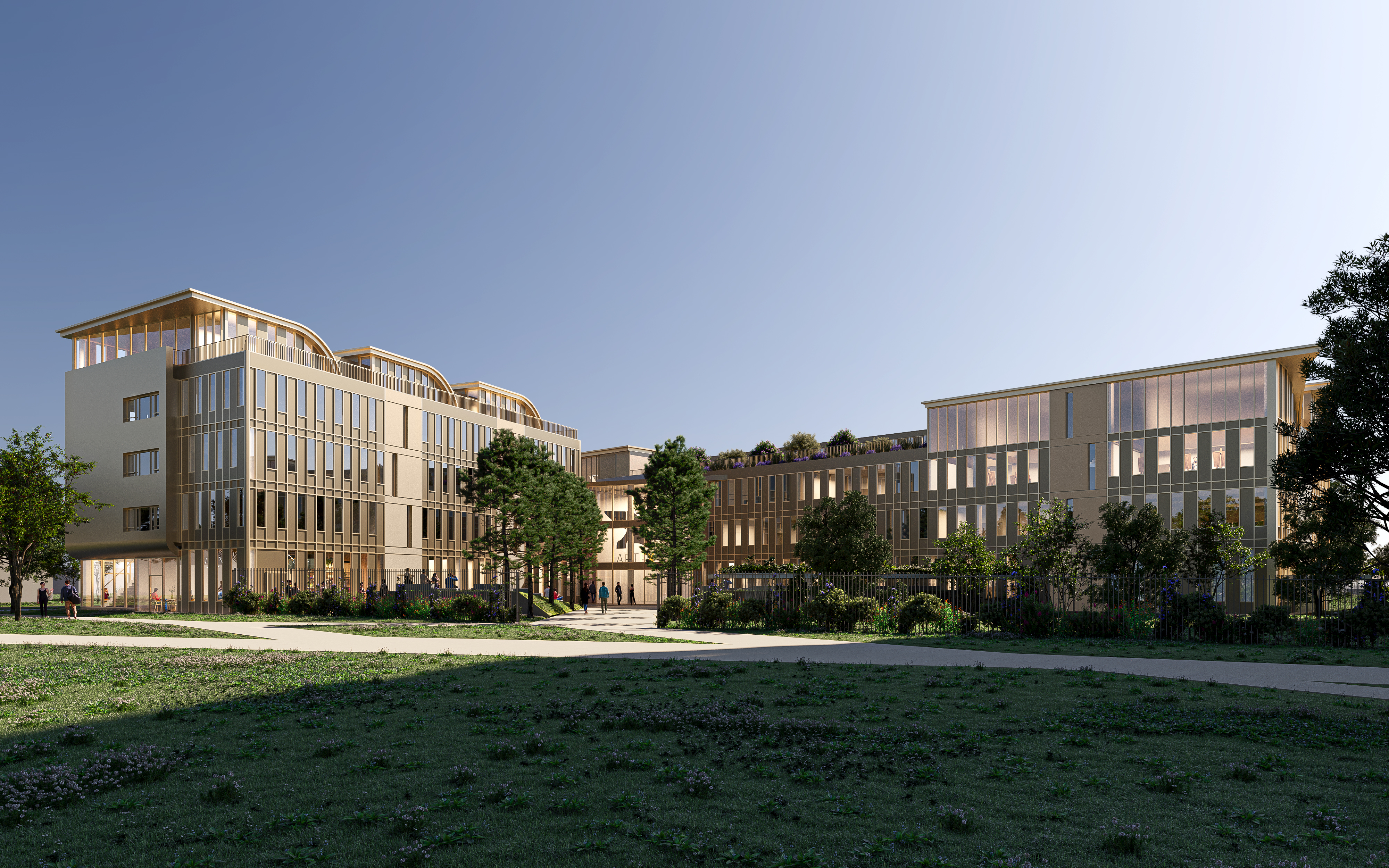
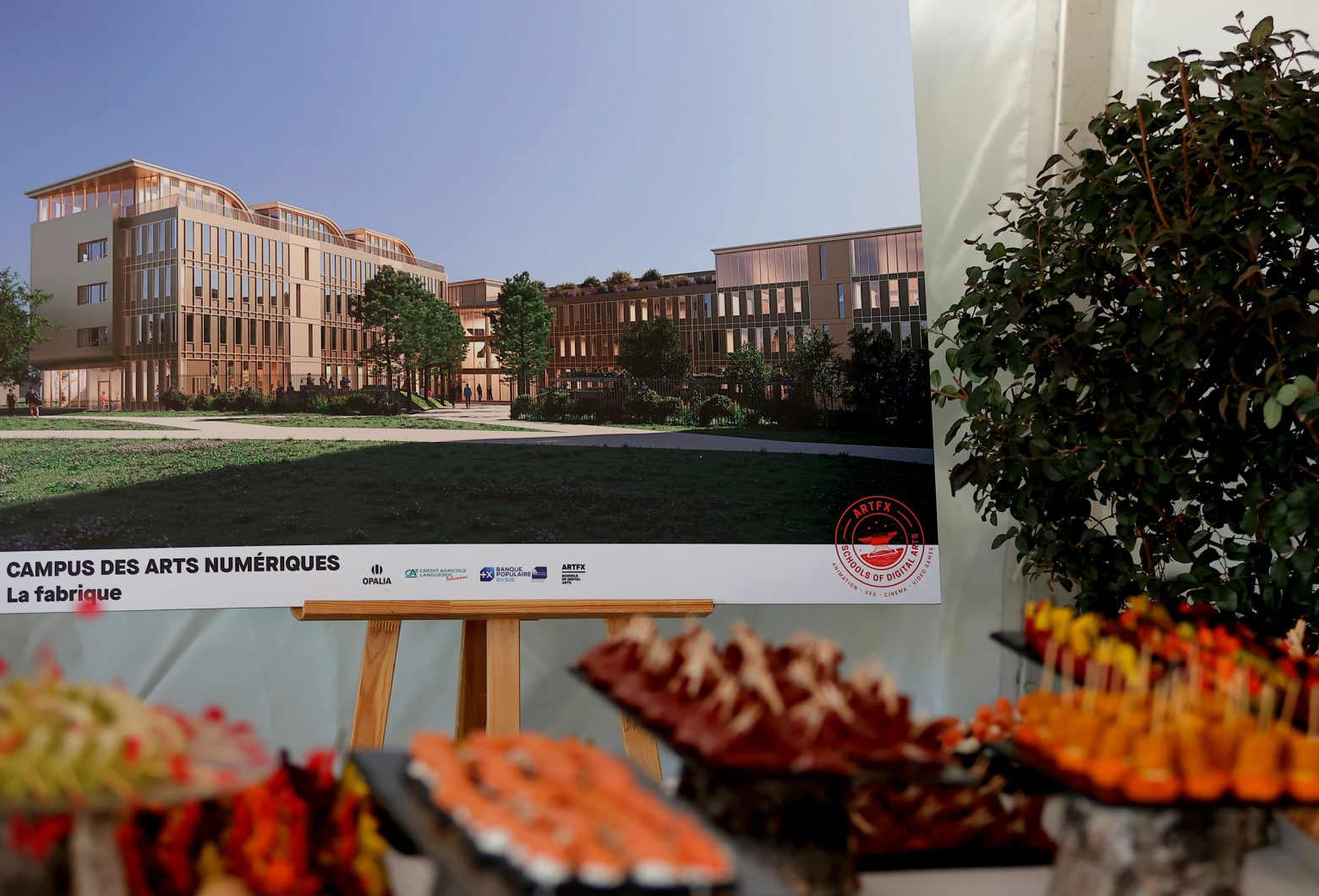
Entrusted to the architecture firm Valode & Pistre, the Campus des Arts Numériques takes a cross-disciplinary approach inspired by the Bauhaus spirit, where art and technique meet on equal terms. The project also pays tribute to architect Denis Valode, creating an open, collaborative space with a clear focus on innovation.
The 6,000 m² main building, which is targeting BREEAM “Very Good” certification, has been conceived as a true contemporary workshop. It will house professional production studios built to industry standards, a 130-seat indoor auditorium, a plaster cast room dedicated to the study of form, and an open-air amphitheatre set within landscaped parkland. Here, architecture becomes a teaching tool in its own right, encouraging exchange and cross-disciplinary learning.
A place to live as well as to learn
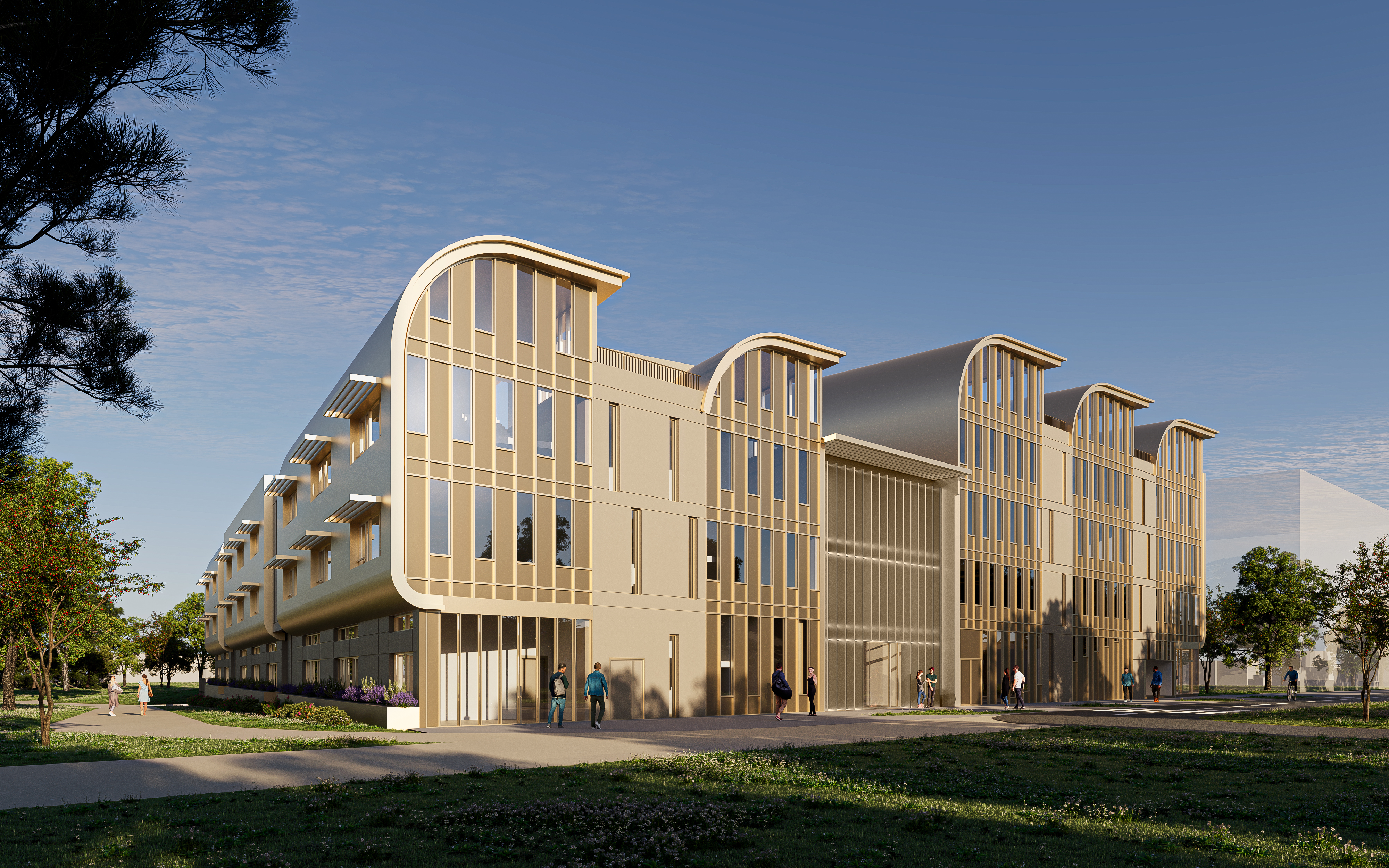
Beyond teaching, the Campus des Arts Numériques offers a complete living environment. Across a 12,000 m² site, learning and housing come together to give students an immersive experience. Nearly 500 housing units, spread across two residences managed with OPALIA, will welcome an international community that already represents 45 nationalities.
- The LirÓ residence, with 253 units, draws on the limestone landscapes of the Montpellier hinterland and favours a strong connection to the ground. Completion is scheduled for the start of the 2028 academic year.
- The FarÓ residence, with 173 units, stands out for its vertical design and its role as an urban landmark, reflecting the campus’s openness to the world. Completion is expected in September 2029.
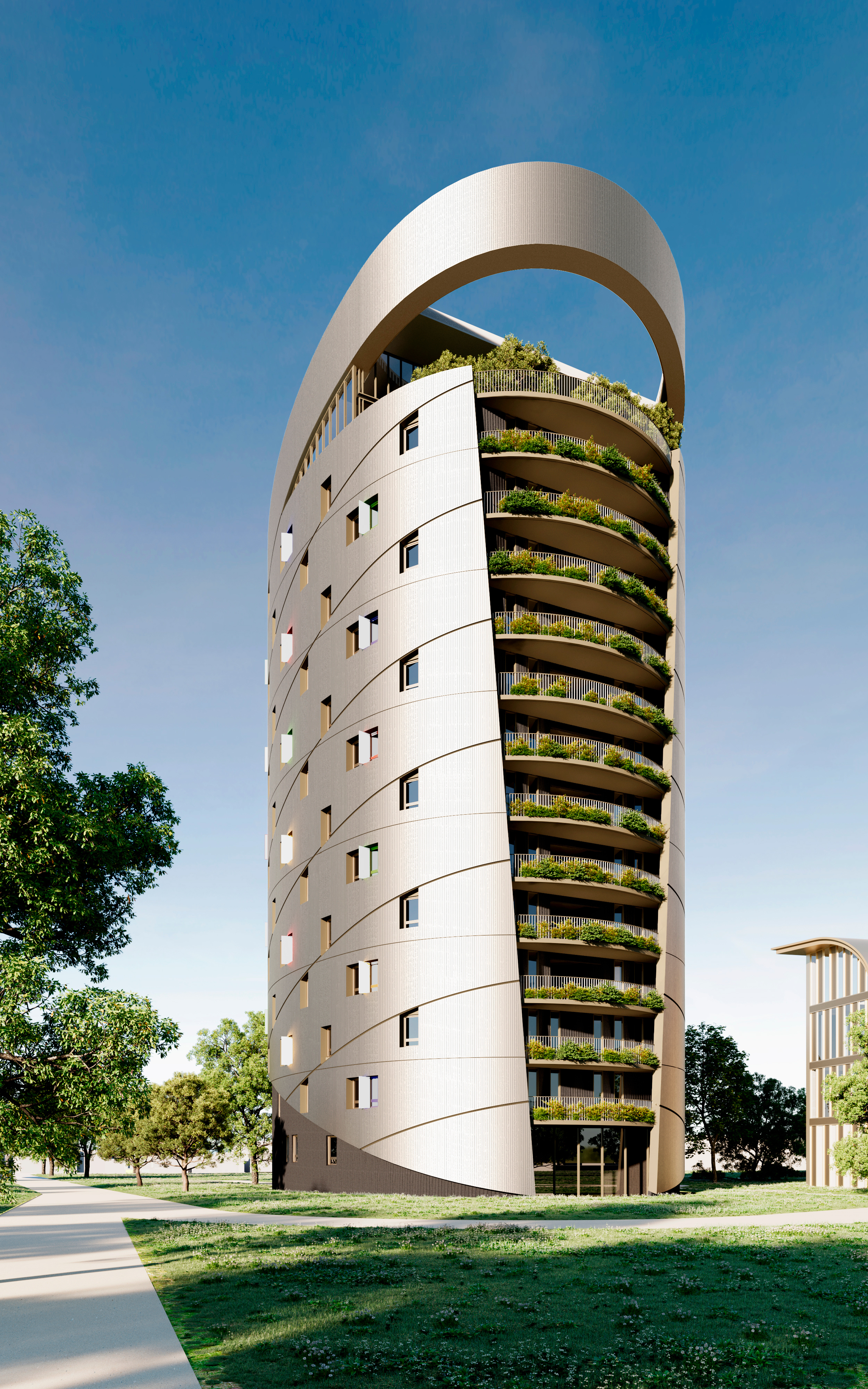
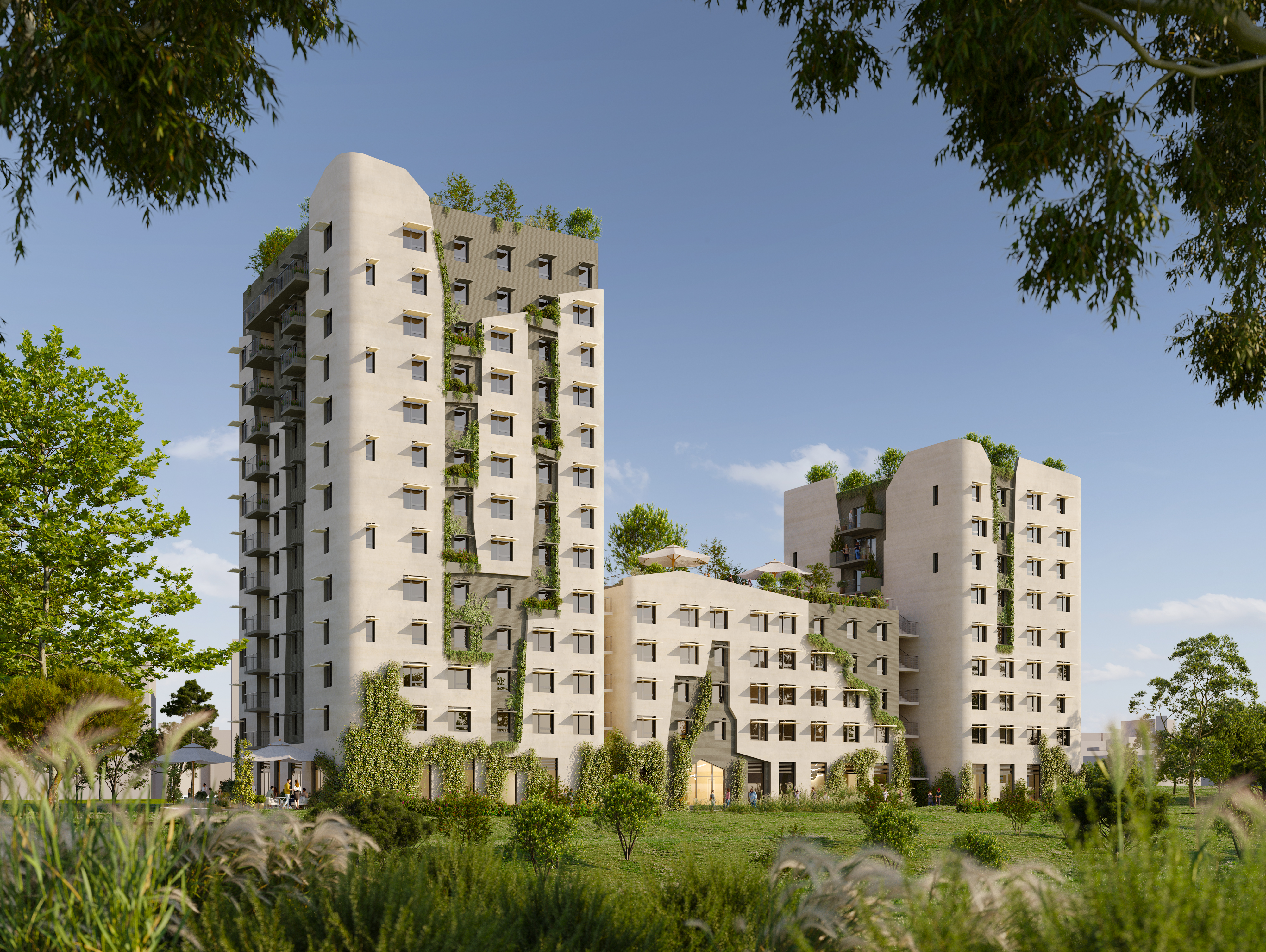
Certified Bâtiment Durable Occitanie (Bronze level), the residences will offer more than 1,000 m² of shared spaces, including landscaped rooftops, music rooms, a library and a cafeteria, encouraging interaction and creativity in everyday life.
An economic model that benefits the region
Backed by a €70 million investment, entirely privately funded, the project relies on an unprecedented financing structure supported by OPALIA, Crédit Agricole Languedoc and Banque Populaire du Sud. The site’s cultural identity will be further strengthened through the COPAQO scheme, with a monumental artwork installed in the school’s double-height entrance hall, a symbolic threshold between the city and the world of creation.
By training the future talent and leaders of international studios, ARTFX acts as a driver of local economic growth and international appeal. Mark your calendars for the start of the 2028 academic year: Montpellier is about to inaugurate far more than a campus, opening a new chapter in the history of digital arts.

Continue