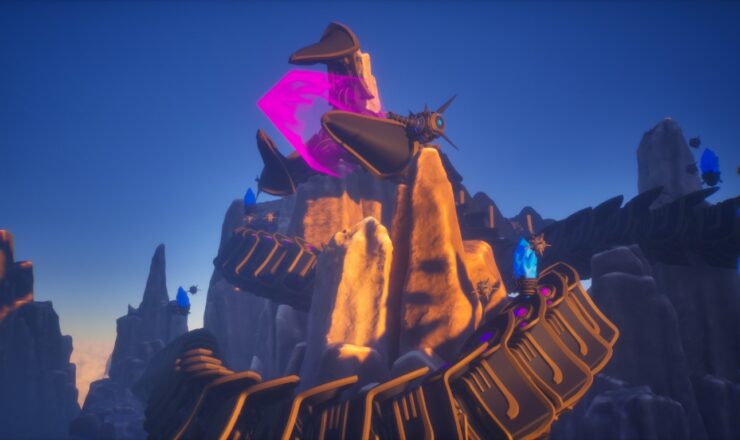
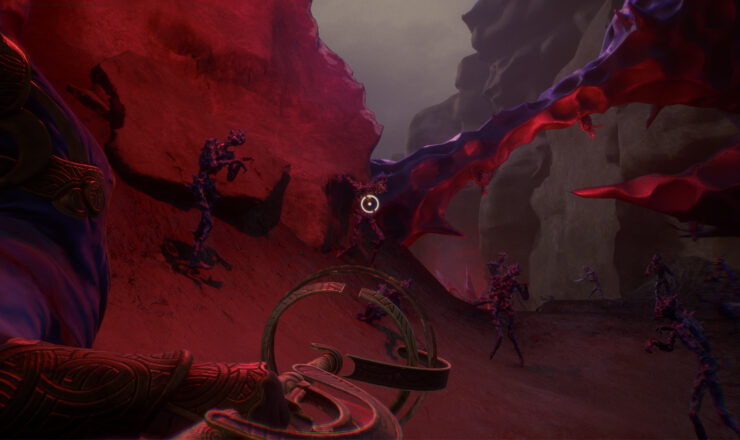
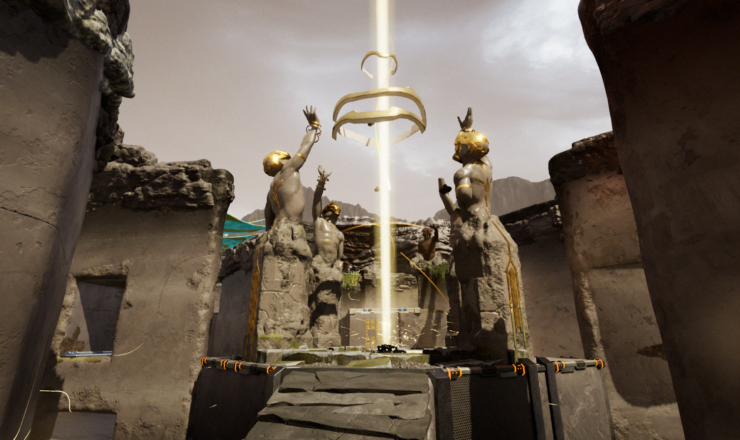
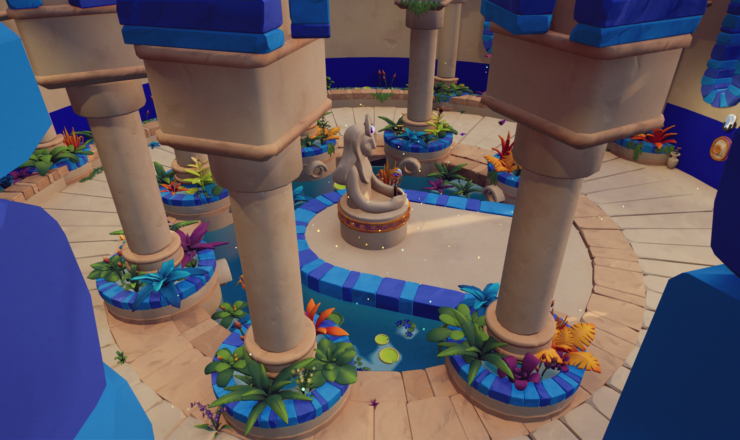
Acquisition of intermediate game and level design principles:
– Engagement, action theory, game depth, colors & shapes, elegance, high-concept creation, metrics, gym creation, logical and functional environment construction, affordance & advanced workshops.
Intermediate Unreal:
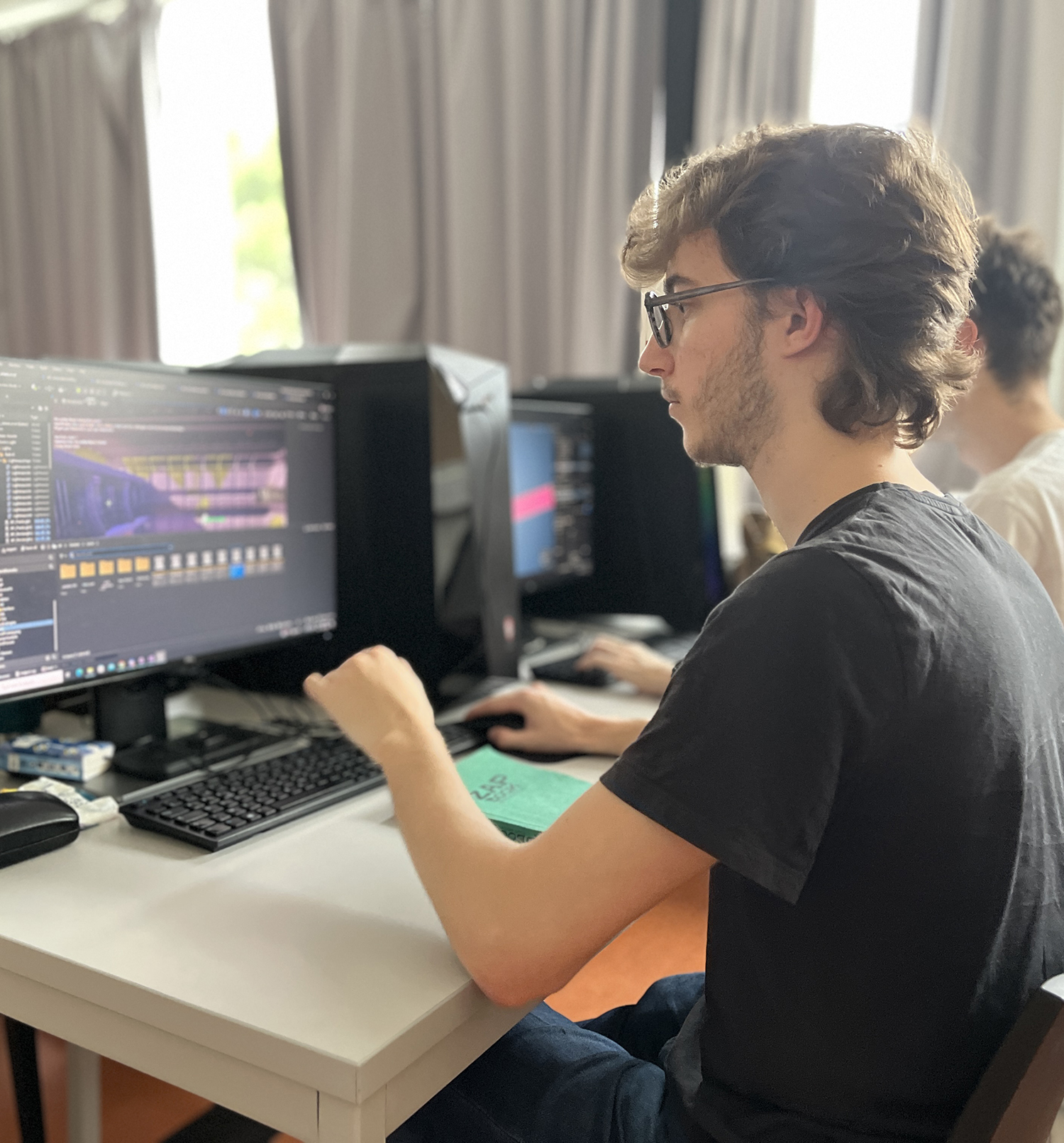
-In-depth use of Blueprints and mini-prototyping.
Game Concept (continued):
-Creative methods through the development of original game concepts, and learning how to present them clearly and convincingly to a jury in English.
Intermediate storytelling:
-Learning and using advanced principles: dramatic irony, planting, world building, quests, enviro-storytelling, etc.
Development of artistic and videogame culture (continuity):
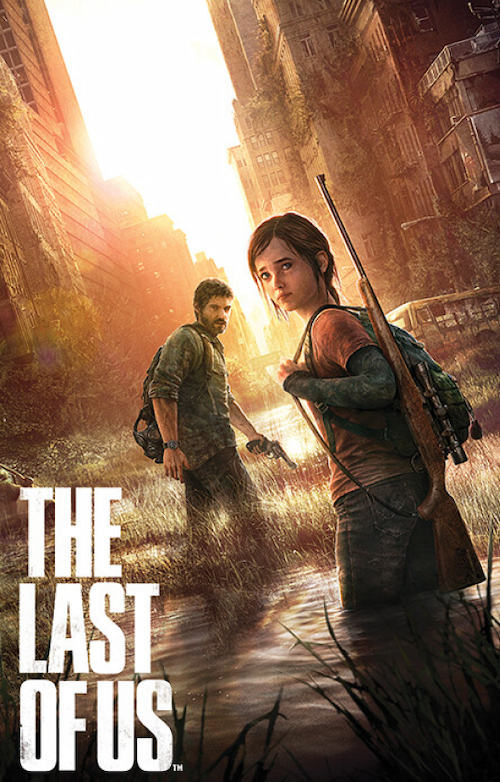
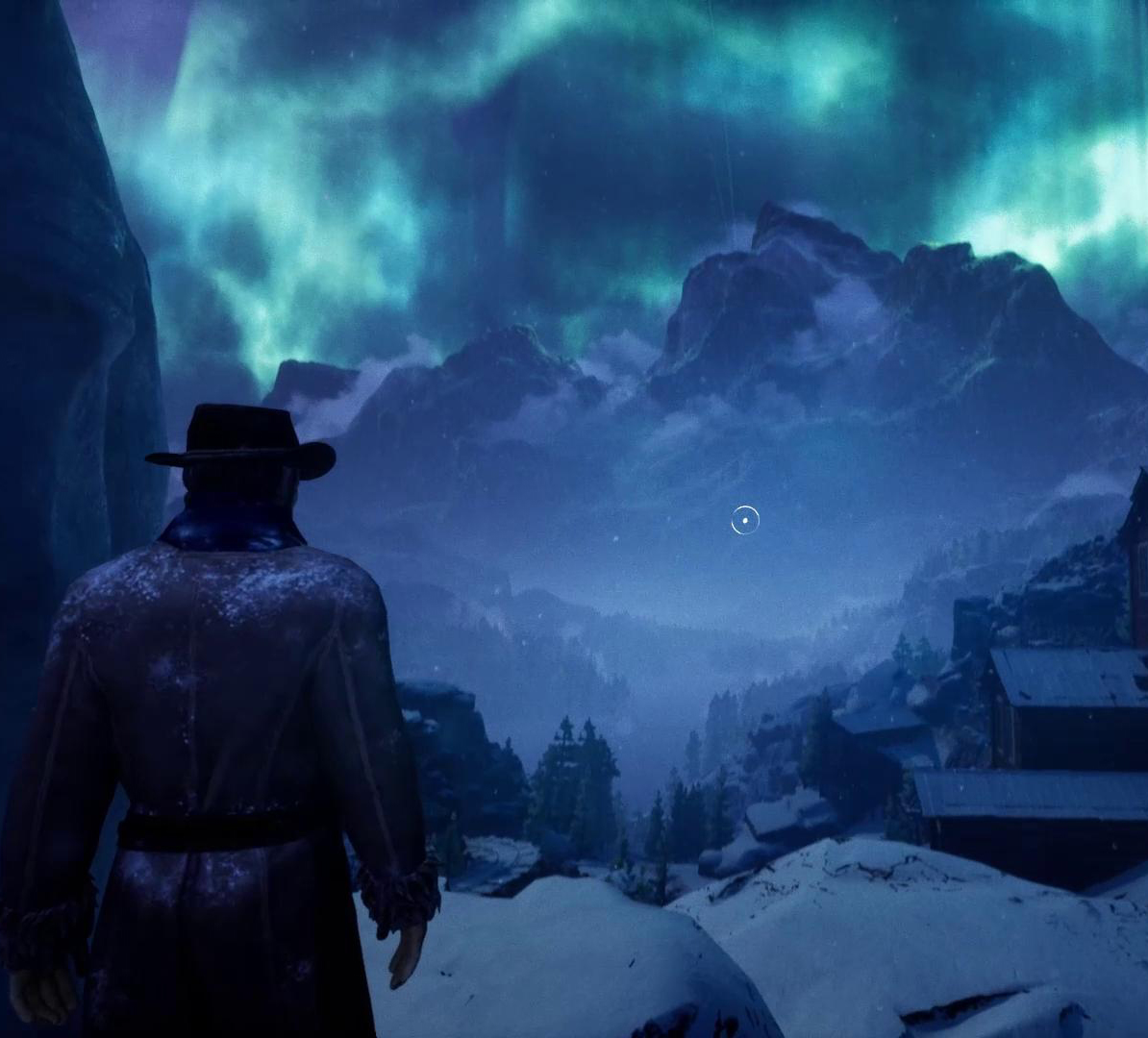
-Study of essential visual elements to build solid references, while analyzing different types of video games with a view to acquiring an in-depth professional culture.
Development of collaborative projects:
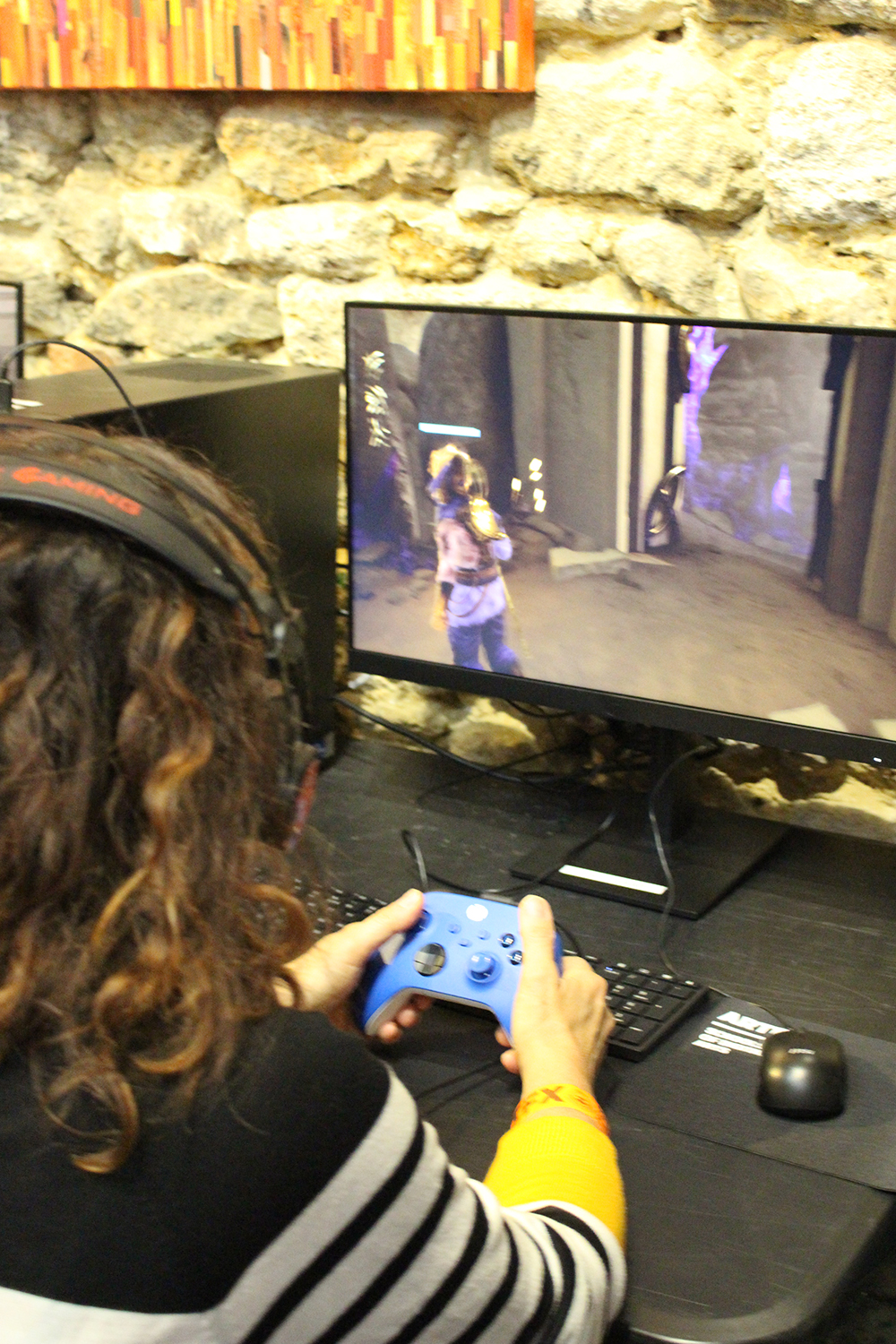
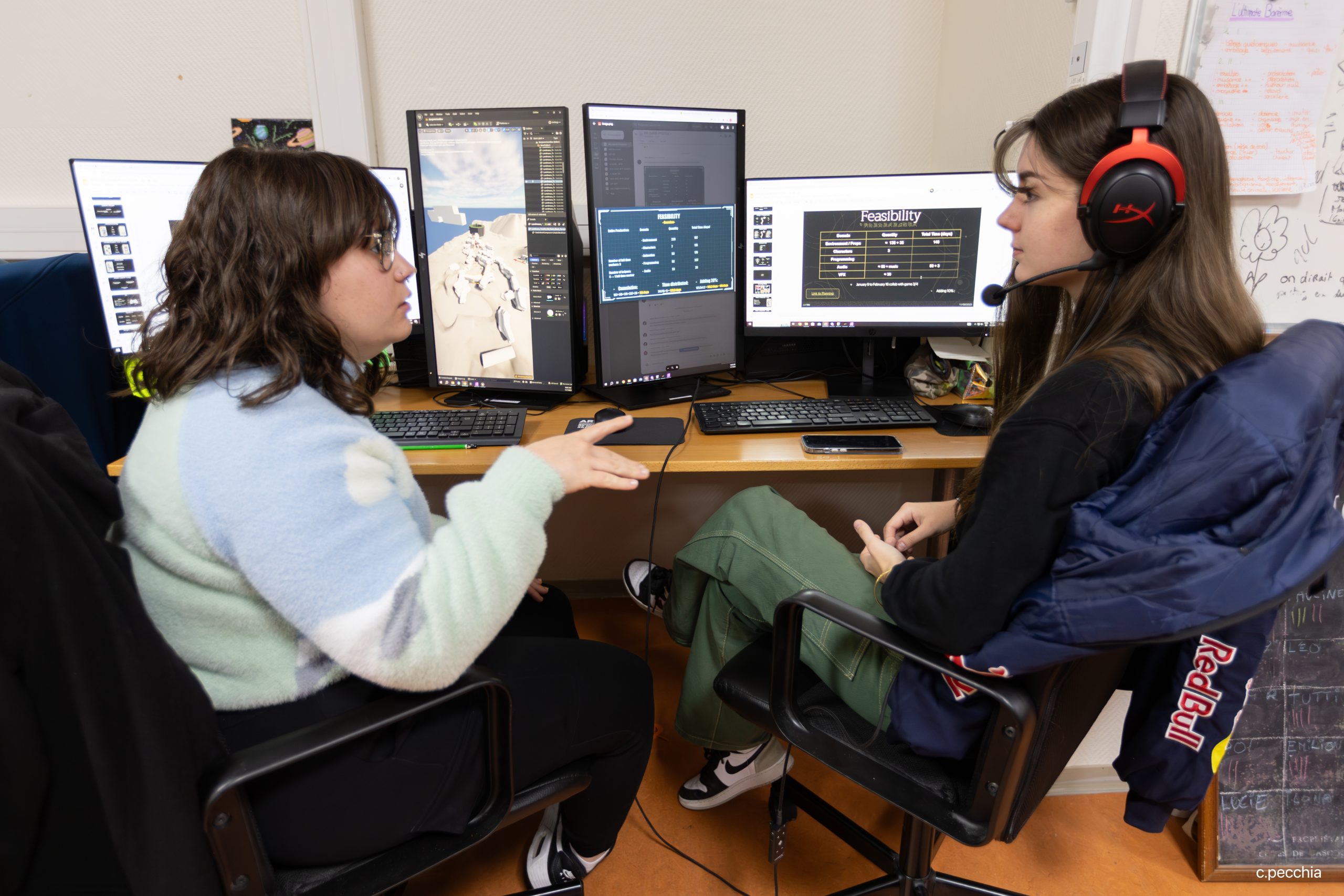
-Learning to manage time, meet deadlines, develop critical thinking skills, receive and integrate feedback, and foster teamwork and communication.
Entrepreneurship: launching yout own game studio
Great games don’t just happen. Behind every successful title is a team that knows how to turn a creative vision into a finished product and a viable business. With independent and AA studios playing an increasingly important role in the industry, understanding the business side of game development has never been more valuable. That’s why our Game Development program includes a dedicated Entrepreneurship track, starting at the end of Year 3. From putting a team together to getting a game funded, produced and published, students learn what it takes to build a studio from the ground up:
-
Production & Management: Assemble a team, build production pipelines, manage budgets and keep development on track
-
Market & Product Strategy: Understand the market, identify your audience and find the right positioning for your game.
-
Marketing & Monetization: Build an audience, make your game stand out and develop a business model that works.
-
Funding & Publishing: Explore funding opportunities, pitch to publishers and investors, and secure the backing your project needs.
-
Legal & Administration: Protect your intellectual property (IP), understand publishing agreements and handle the business side of running a studio.
-
Studio Creation: Take your project beyond the classroom and turn it into a game development business.
And after graduation? There’s more to come. We’re looking to develop an in-house incubator to help graduates turn their game projects into real businesses, with mentoring and support to explore early-stage funding opportunities.