Development of Artistic and Video Game Culture
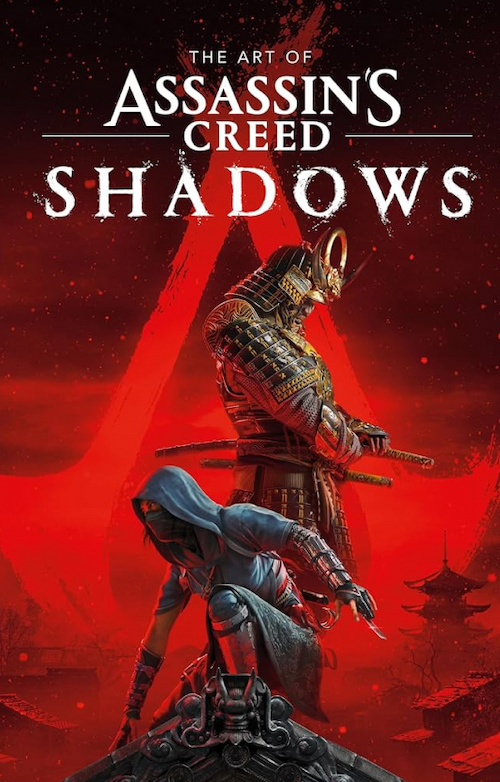
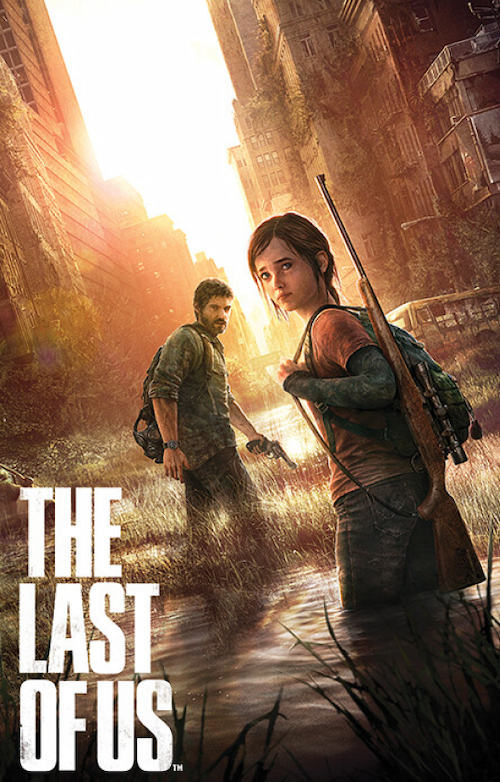
Deepen artistic culture and video game knowledge, exploring both its history and current trends.
Creativity and Concept Art
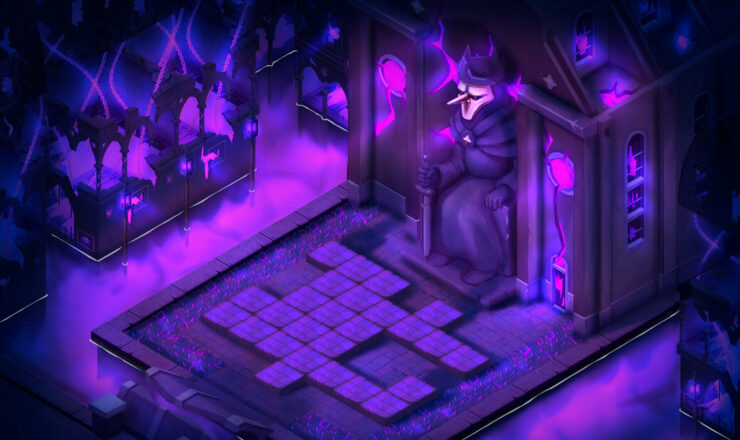
Refine creative abilities. Students will design worlds, environments, characters, props, and interfaces through concept art workshops (digital illustration). They will enhance their design methodology by developing the artistic direction of their projects.
3D Characters & Creatures
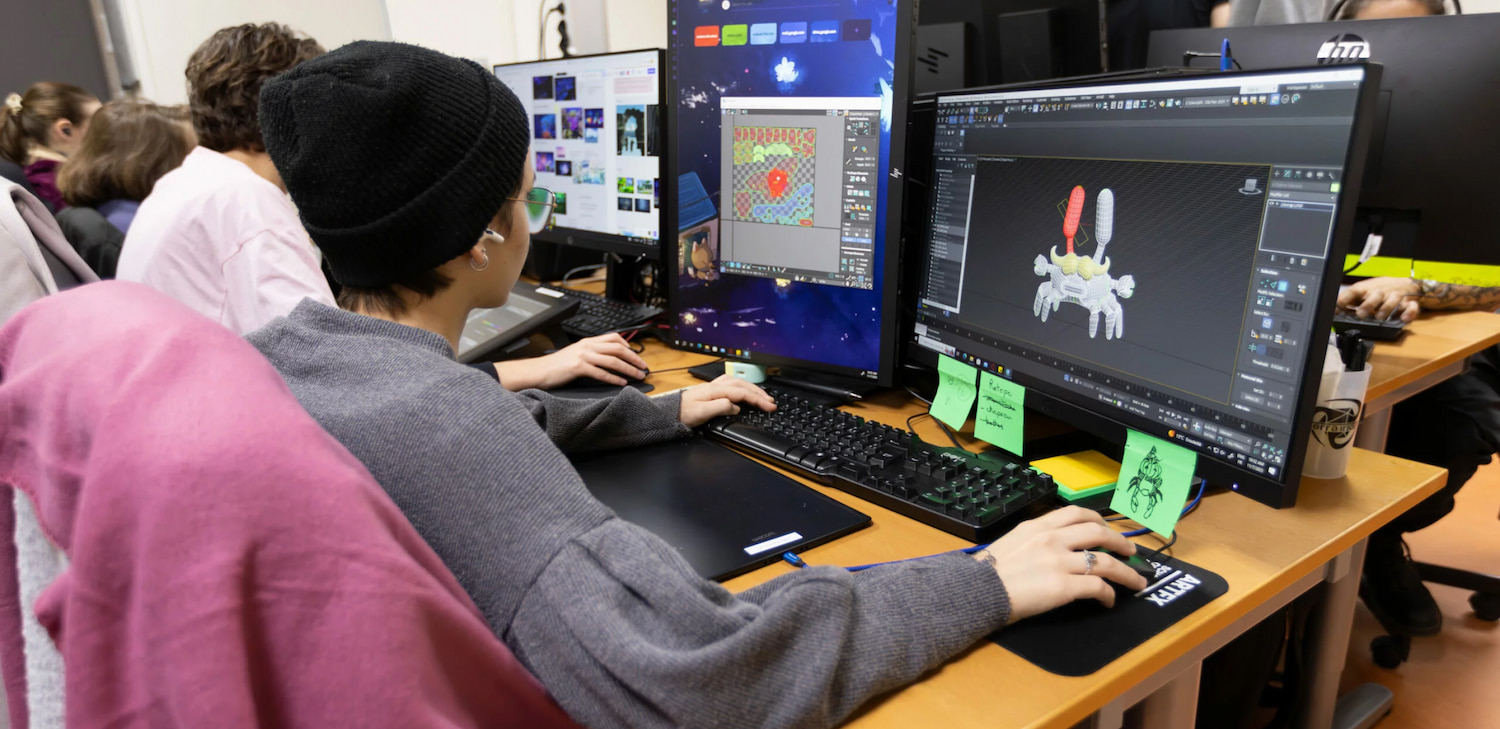
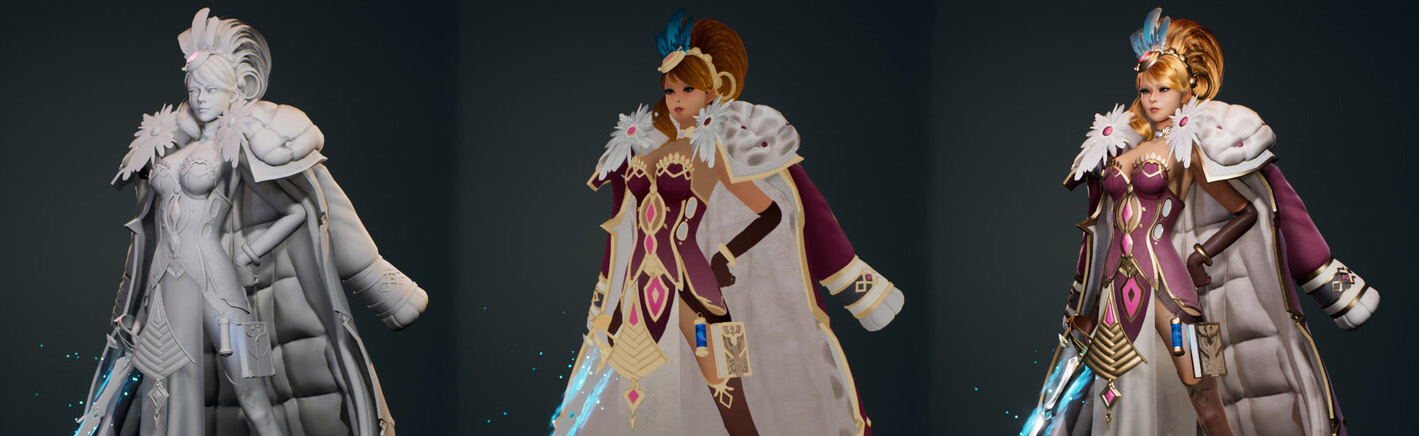
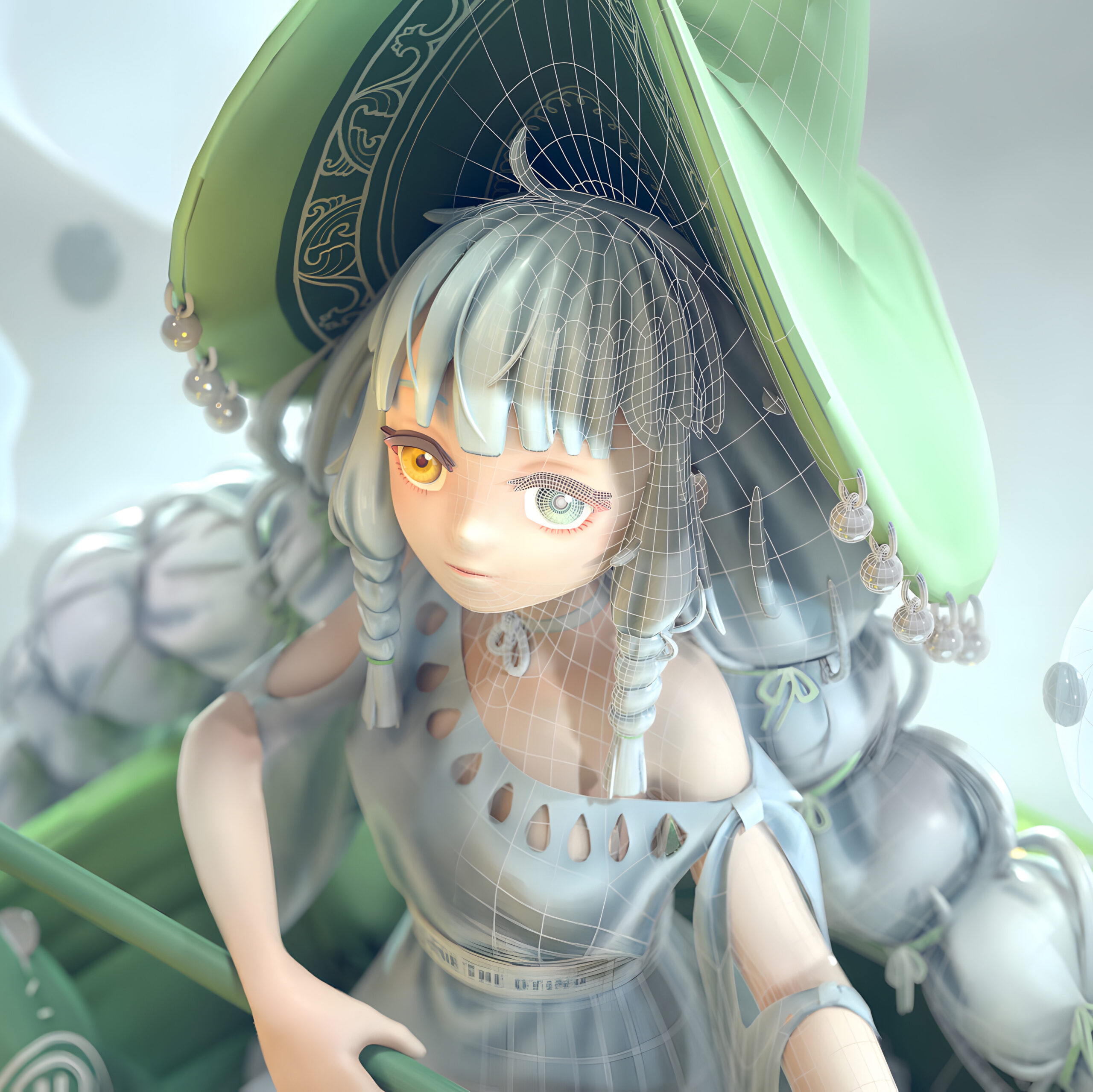
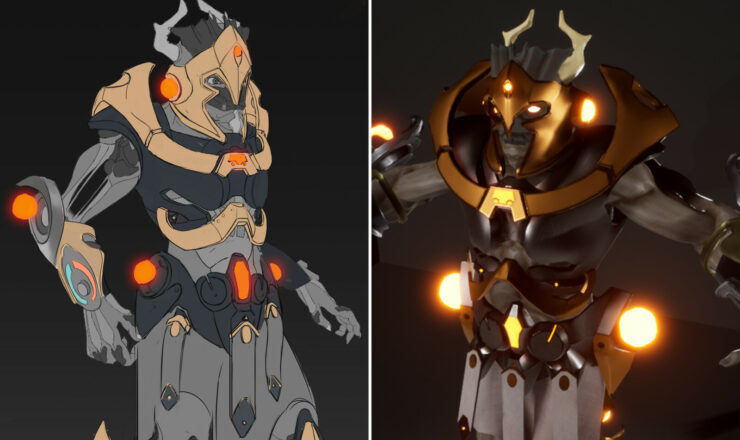
Focus on organic modeling, ensuring accurate proportions and anatomy for both stylized and realistic characters adapted to different game styles and contexts. Master the full technical workflow, including blockout, high-resolution modeling, UV unwrapping, texturing, and baking, with an emphasis on topology.
3D Environments & Props
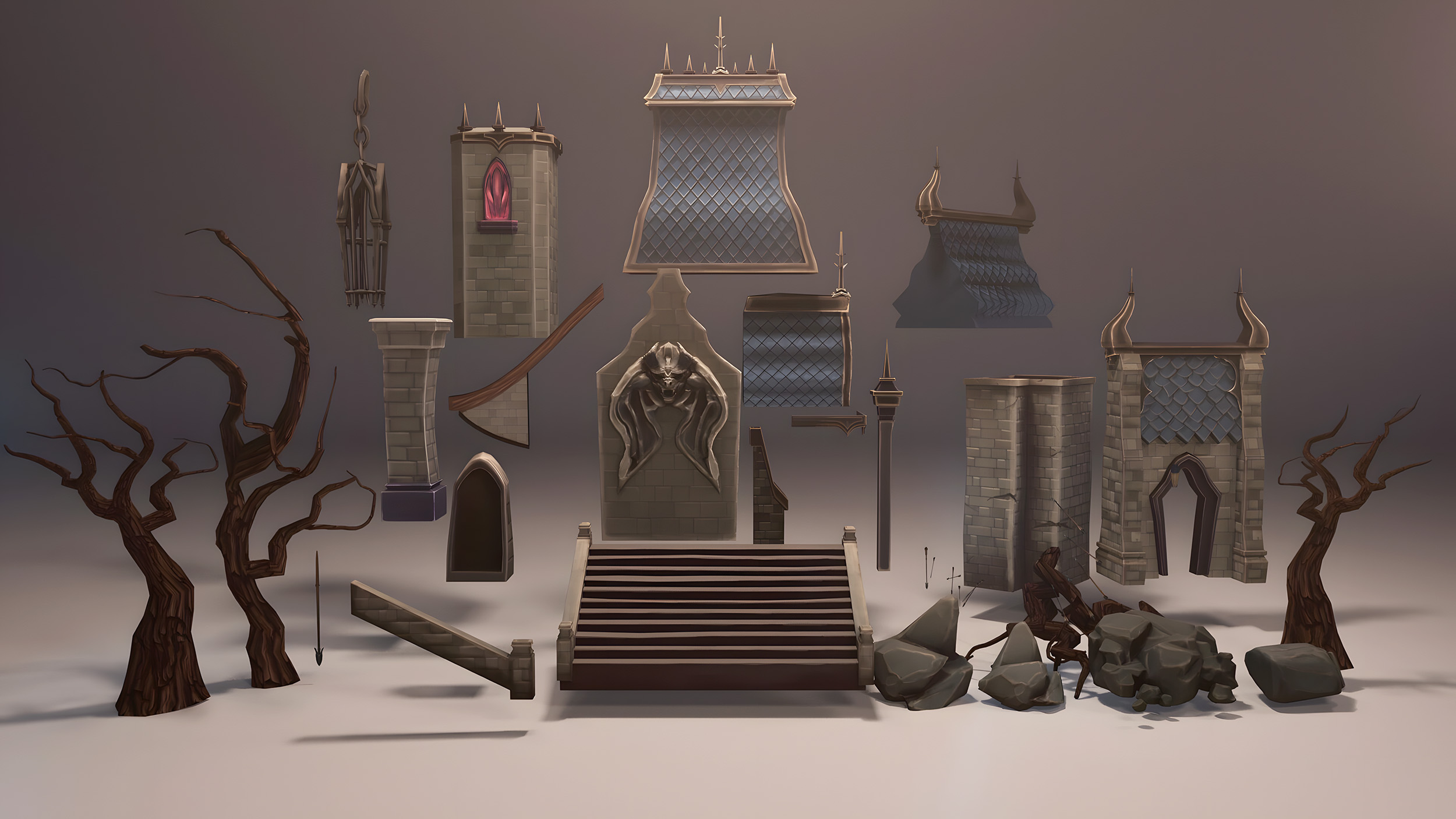
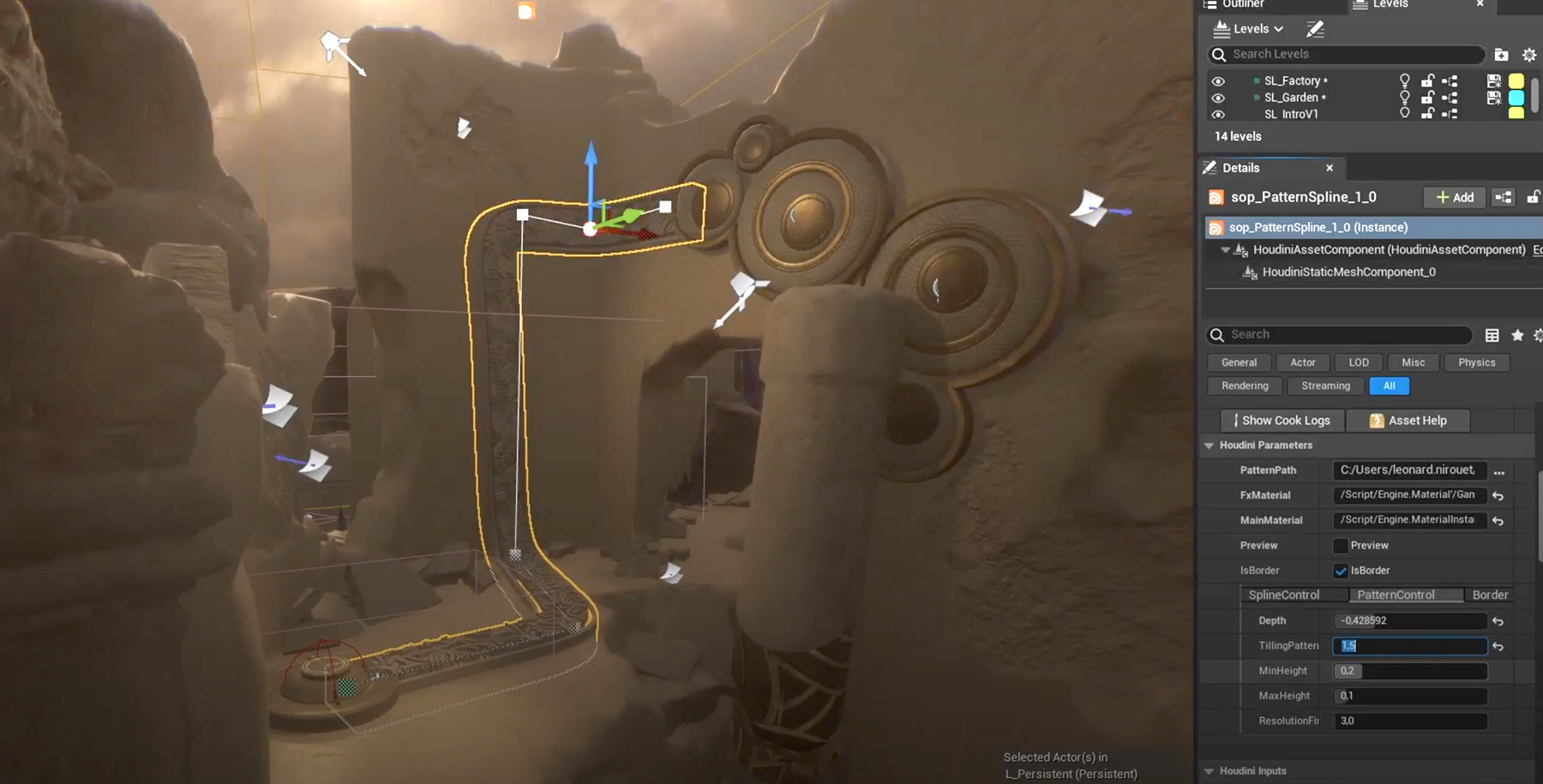
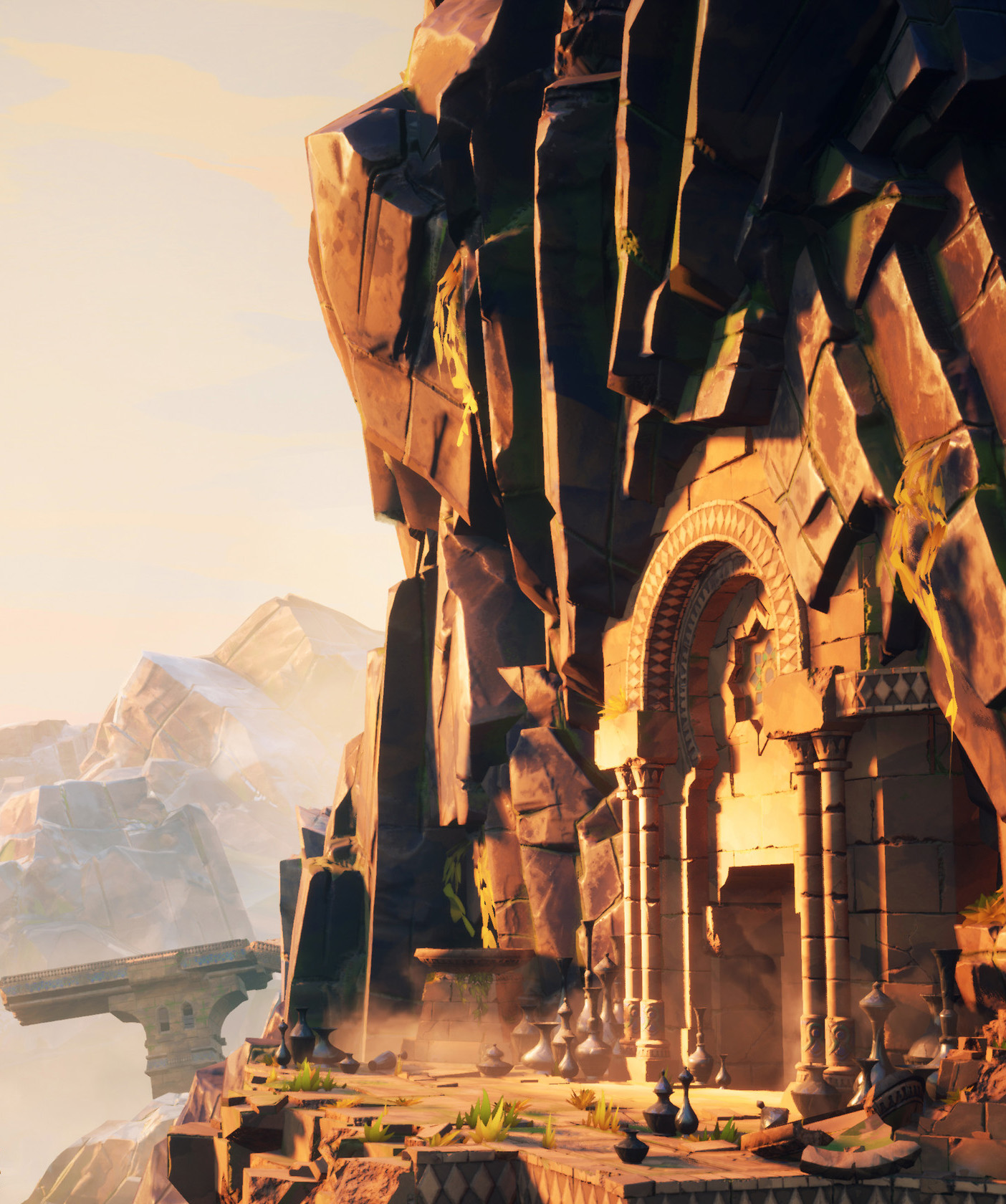
Develop expertise in creating high-quality, optimized 3D assets for immersive environments. Master the full technical workflow (blockout, high-resolution modeling, UV unwrapping, texturing, and baking) with a focus on topology and optimization. Learn procedural tools within Houdini.
Mastering Unreal Engine for Real-Time Development
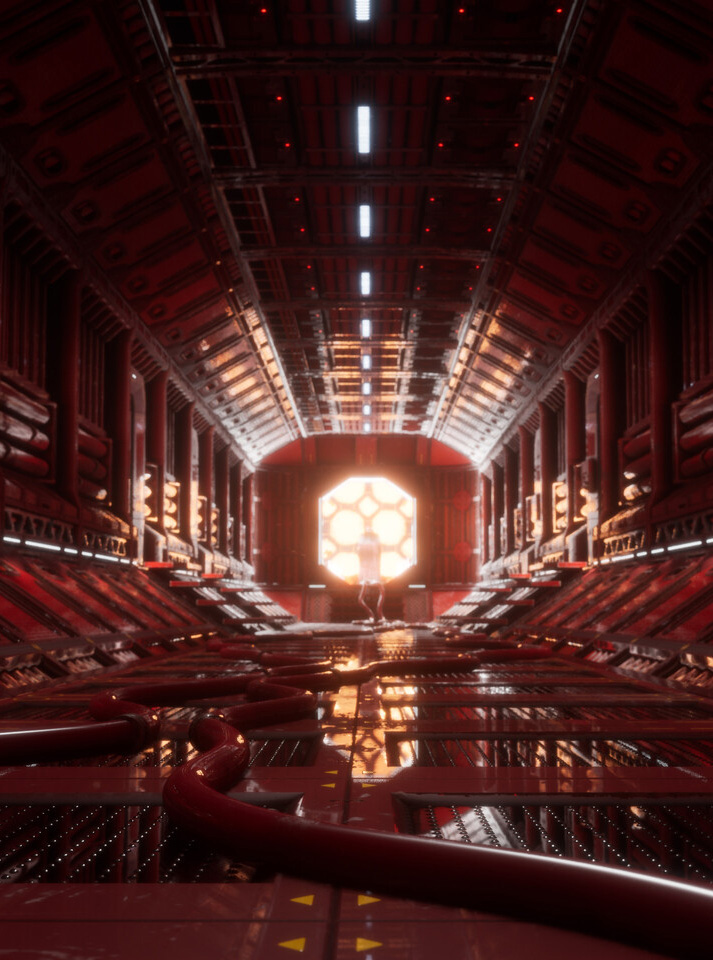
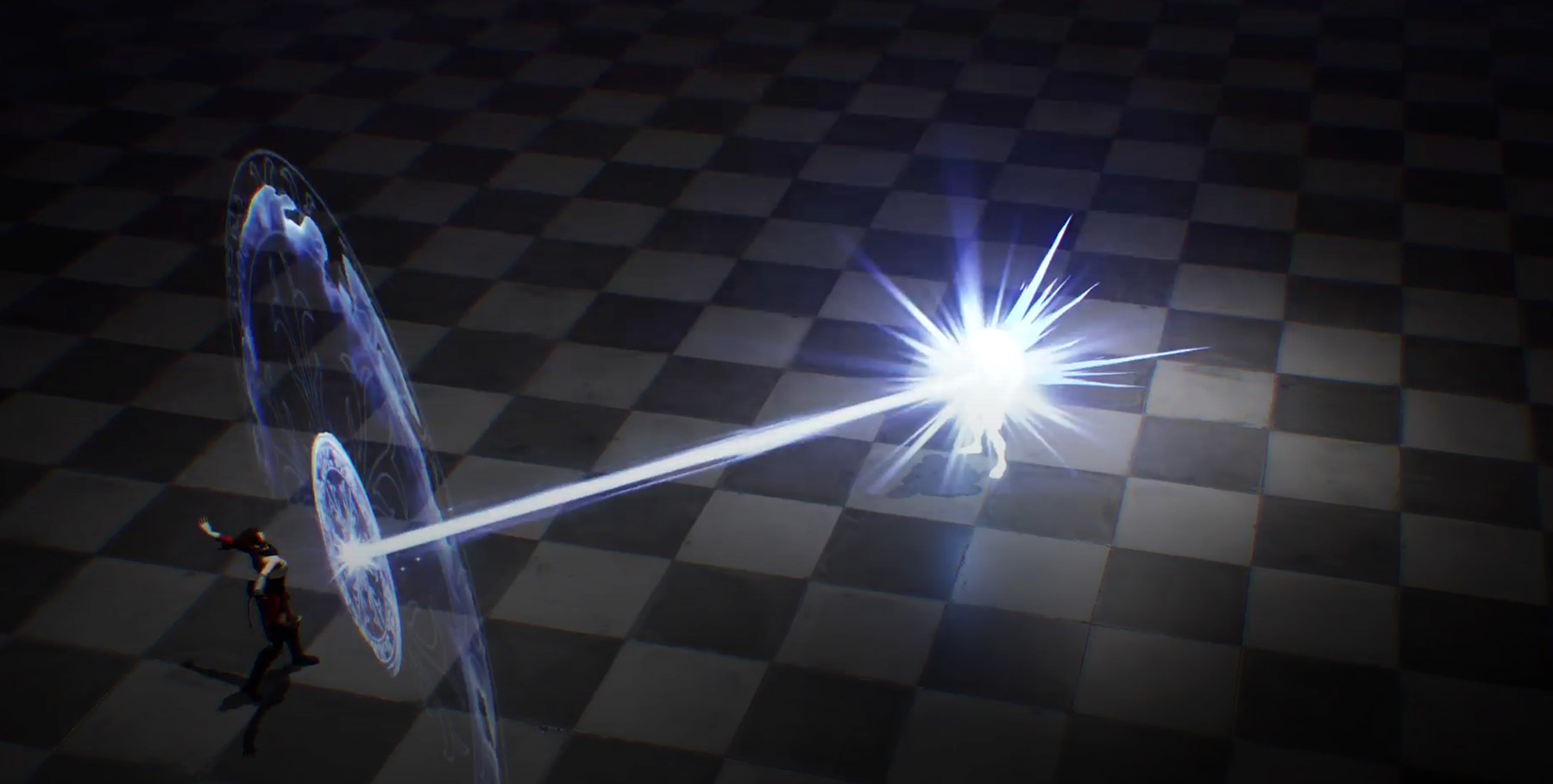
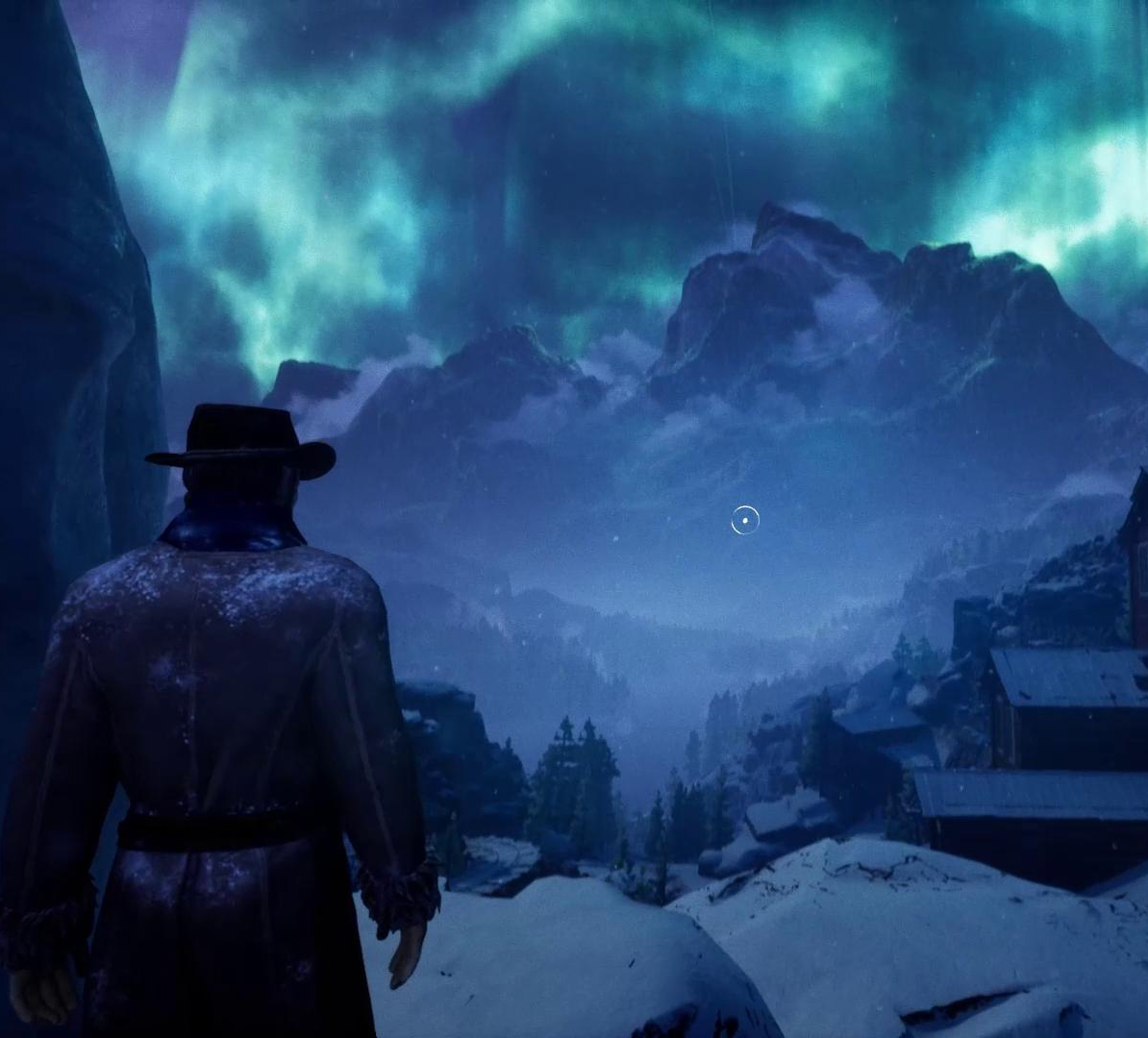
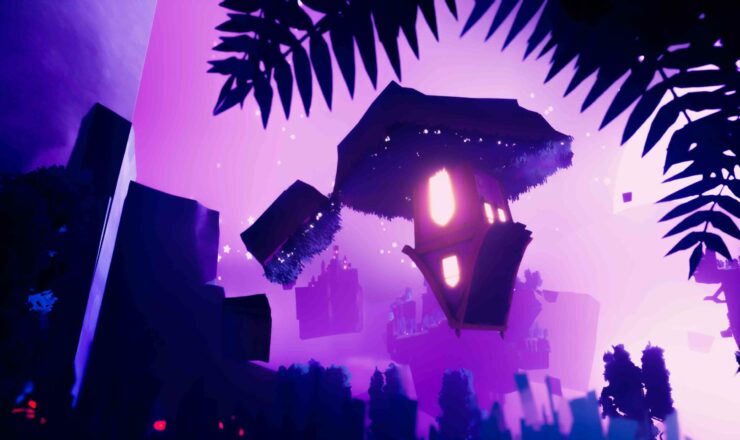
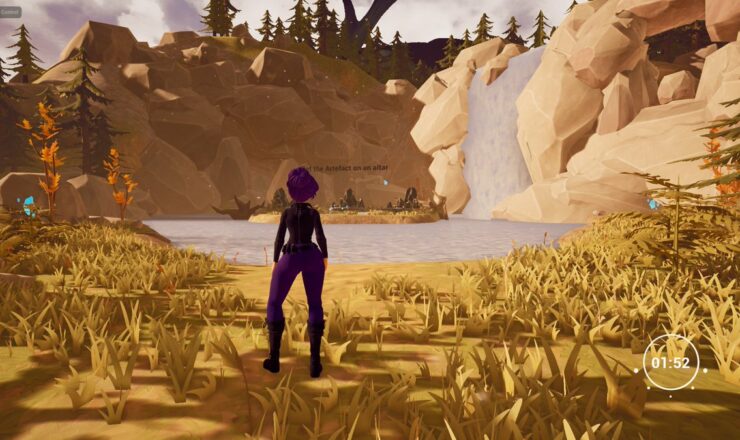
Advance Unreal Engine skills as a tool for integrating graphical assets and real-time rendering. Create complex game levels, shaders, lighting setups, optimizations, and post-processing effects. Develop atmospheric and gameplay-related special effects. Integrate menus and user interfaces.
Rigging & 3D Animation
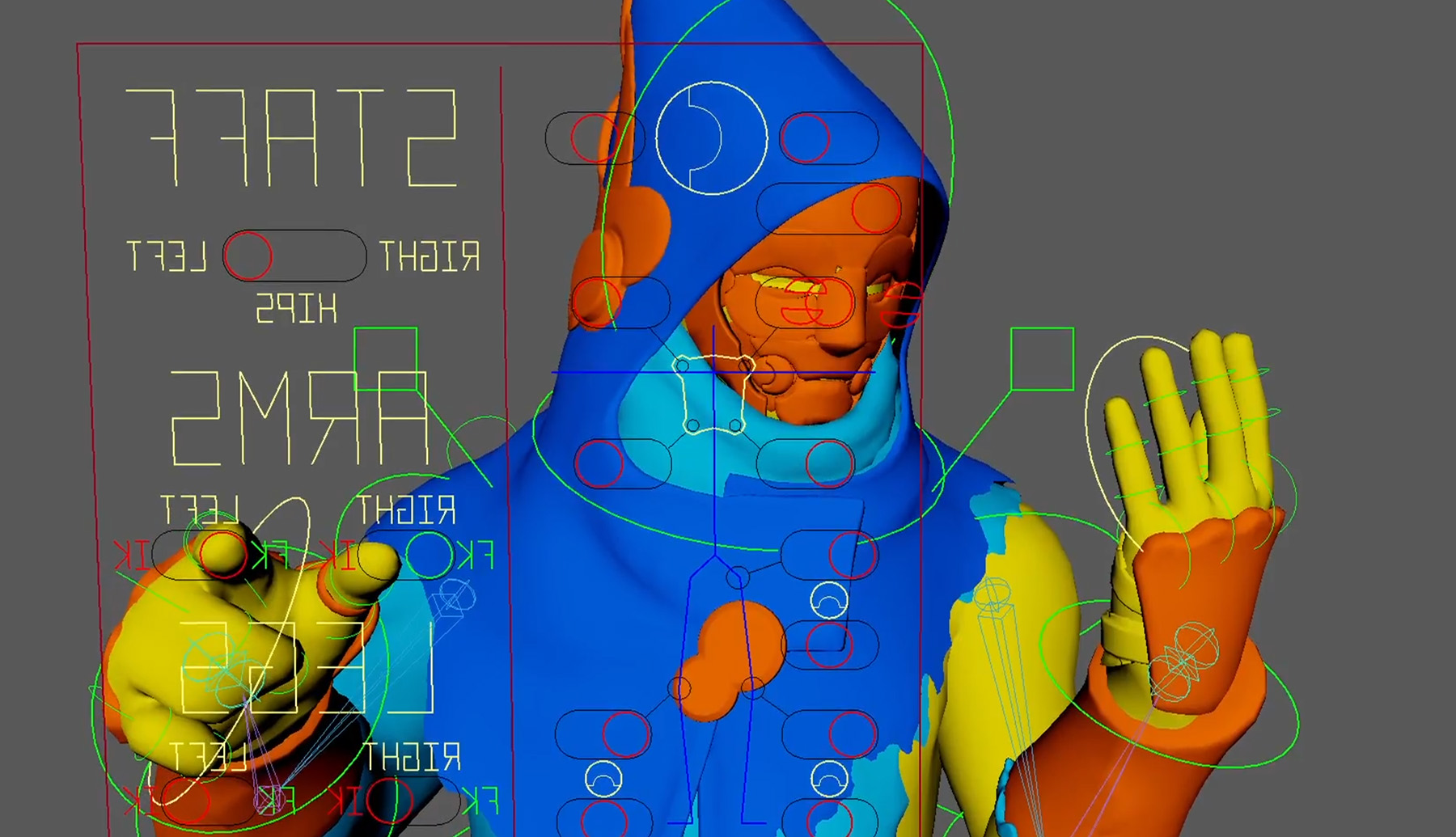
Introduction to rigging and animation integration within Unreal Engine.
Students specializing in 3D animation will continue refining body mechanics and movement.
Collaborative & Professional Projects
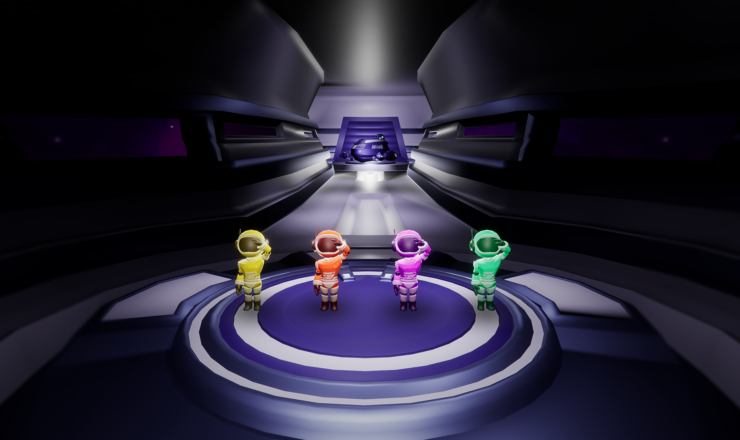
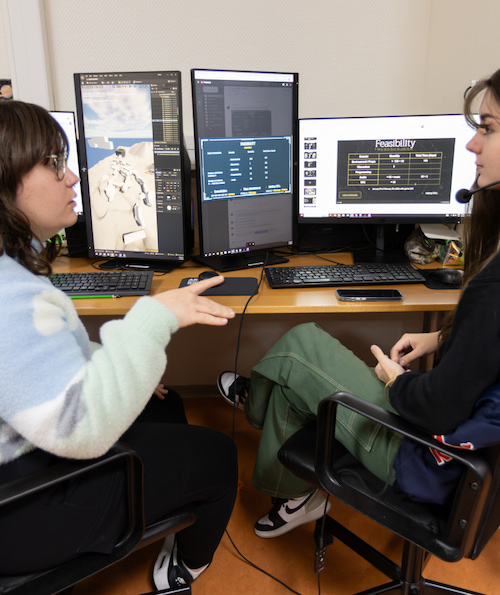
Students will work in teams on projects commissioned by institutional partners, designed for a broad audience. They will develop problem-solving skills, learn to propose creative solutions, present their work professionally, follow project guidelines, and deliver high-quality, playable projects. They will also gain experience in task planning, workload estimation, and troubleshooting production challenges.
Professionalism & Demo Reel
Develop essential soft skills, including teamwork, anticipation, reliability, and commitment.
Practice professional English.
By the end of the year, students will have a complete and cohesive demo reel showcasing their technical skills and creativity. This demo reel will be a key tool for securing internships in the industry.
Entrepreneurship: launching yout own game studio
Great games don’t just happen. Behind every successful title is a team that knows how to turn a creative vision into a finished product and a viable business. With independent and AA studios playing an increasingly important role in the industry, understanding the business side of game development has never been more valuable. That’s why our Game Development program includes a dedicated Entrepreneurship track, starting at the end of Year 3. From putting a team together to getting a game funded, produced and published, students learn what it takes to build a studio from the ground up:
-
Production & Management: Assemble a team, build production pipelines, manage budgets and keep development on track
-
Market & Product Strategy: Understand the market, identify your audience and find the right positioning for your game.
-
Marketing & Monetization: Build an audience, make your game stand out and develop a business model that works.
-
Funding & Publishing: Explore funding opportunities, pitch to publishers and investors, and secure the backing your project needs.
-
Legal & Administration: Protect your intellectual property (IP), understand publishing agreements and handle the business side of running a studio.
-
Studio Creation: Take your project beyond the classroom and turn it into a game development business.
And after graduation? There’s more to come. We’re looking to develop an in-house incubator to help graduates turn their game projects into real businesses, with mentoring and support to explore early-stage funding opportunities.